

Questions about the foundation
A conversation with Pritan Ambroase about courage, conscience, humanity and the foundation he created.
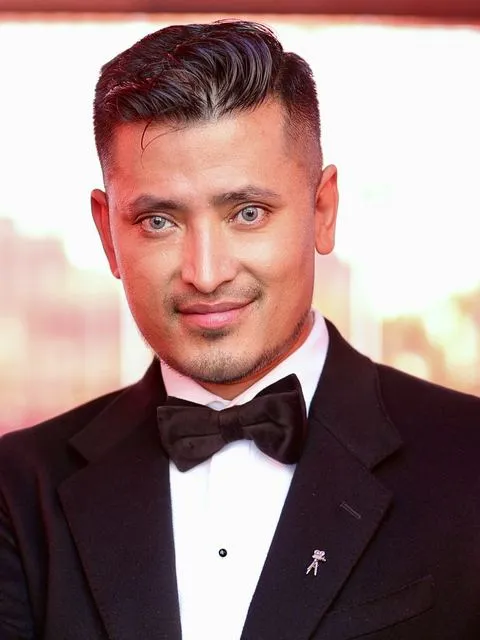
- How did Humans of Our World start?
I began with the belief, as a child, that the people we love deserve our courage. Courage is not the absence of fear; it is acting while fear is present. As I grew up I began helping people in my community, and that work became Humans of Our World. The person I am today is still trying to live up to the promises that the younger me made. This has never been about being comfortable. The work begins when you decide to step outside what is easy and stand beside someone else.
- Where does Humans of Our World operate?
Our concern is global because humanity is global. We have worked through country-specific and cause-specific editions when communities faced disasters, violence, exclusion or barriers to opportunity. Each edition has its own history and purpose. The location of our concern is never limited by nationality, but the practical work must be grounded in credible local relationships and the ability to help responsibly.
- Is Humans of Our World another charity?
We are a registered charitable foundation and a humanitarian movement. We are more than a charity. We are redefining charity. I reject the notion that people must beg for dignity or that one class of people should regard another as helpless. No more pity. No more begging for basic rights. No more saviour mentality. Our purpose is to stand with people in solidarity, recognise their agency and turn compassion into meaningful action.
- When can we start the mission?
Now. You do not need to travel to a war zone, run a large organisation or wait for an important title to become useful to another person. Protect someone’s dignity, give your skills, share accurate information, help a community organisation, or speak up when another person is being treated unjustly. If not now, when?
- Does HOW belong to a political party or religion?
No. Our mission belongs to humanity, not a party, religion or identity group. People of different faiths, convictions and cultures can stand together for dignity and peace. Our causes may address laws and institutions when human rights are at stake, but our purpose is humanitarian rather than partisan.
- Does HOW accept donations?
Yes. We welcome support for clearly defined appeals and programmes. A donor should know who receives the gift, what it is intended to support and how it will be accounted for. I want the relationship between a supporter and a cause to be based on care, honesty and practical purpose, not on guilt.
- Who does Humans of Our World belong to?
I founded it, but the movement belongs to all of us. It belongs to every person who chooses to act with humanity, including those who were once helped and go on to lead and help others. The foundation has formal responsibilities, but humanity cannot be owned by a founder.
- How is Humans of Our World run?
With conscience at its centre and clear responsibilities in practice. Compassion is our motivation; experience, safeguarding, evidence and sound judgment are part of how we protect people. The people closest to a problem should be heard, and nobody’s dignity should be sacrificed for publicity.
- How are decisions made?
I want everyone involved to ask a simple question: is this good for humanity and for the people directly affected? We must then test our intentions against facts, expert knowledge, the law and the responsibilities entrusted to us. A compassionate heart and a wise mind are partners, not enemies.
- Why do you challenge what people call normal, natural or realistic?
Because too many barriers began as opinions that someone later called permanent rules. People once dismissed changes in rights, science, art and society as impossible. I want us to remain brave enough to question received ideas. Challenging assumptions does not mean abandoning reason; it means using our imagination and evidence to do better than the limits we inherited.
- Why do borders matter so much in your philosophy?
We have crossed mountains and oceans, built extraordinary technologies and learned to speak across continents. Yet we still create mental borders that tell us some lives deserve more concern than others. I refuse that division. Those we call foreign are also our own. Their humanity is our humanity.
- Is world peace possible?
I hope so. I do not pretend that one foundation can guarantee peace. But peace begins in the choices we make every day: refusing cruelty, being loyal, choosing integrity over gossip, and recognising another person’s life as worthy of our care. We Rise for One Another - those words ask something of every one of us.
- Why is loyalty so important?
Because loyalty, courage and integrity mean more when they cost us something. Being a good human being means treating people with decency both when they are present and when they are not, standing beside others when it would be easier to disappear, and honouring the responsibilities we choose to accept.
- Why call it MAKE HUMANITY VIRAL?
Because acts of humanity should travel farther than cruelty or scandal. One visible action can inspire another; one honest account can change how a community responds; one child’s story can reach people who have never lived through war. We want compassion to become practical, shared and impossible to ignore.
- What is A Conscious World?
It is the world we seek: led and lived with conscience. As technology advances, human wisdom and empathy must advance still further. A conscious world refuses the idea that we defend only those who resemble us. It sees the suffering of others as a shared human concern.
- Why do you believe in cinema and journalism for humanity?
Because who gets to speak changes what the world understands. Our media work includes original public-interest journalism, historical interviews and cultural reporting. In the cinema-docu Can I Go Home Now?, only the children speak. That choice is a statement about whose voice matters. Media must create understanding and participation, not turn suffering into spectacle.
- What is an edition?
An edition is a defined humanitarian cause or campaign, grounded in a history, a purpose and a way people can participate. Some editions are long-established, others address new forms of injustice. Each retains its own identity while belonging to a single mission: MAKE HUMANITY VIRAL.
- What does a Guardian or ambassador do?
They carry the message into their communities with care. That can mean speaking up for a cause, opening a door to a school or institution, introducing relevant expertise, helping with a responsible event or supporting people closest to the issue. Every role has an agreed scope and responsibilities. Our movement is strongest when people know what they have committed to.
- How can I help even without donating?
Use your knowledge, your courage, your connections or your time. Introduce a school, community leader, filmmaker or specialist who can help a defined cause. Share an article responsibly, host a discussion, take part in an approved campaign or be the person who makes a neighbour feel less alone.
- What should supporters expect from HOW?
A clear description of what is happening, what is historical, what is being planned, and what an appeal is intended to support. We owe the people whose stories we tell dignity, and we owe our supporters honesty about the work. The movement is ambitious; our public promises must remain specific and accountable.
- Why did you become CEO of Hollywood Insider and transform its editorial approach?
Because I knew the voices of a charity could be ignored by people who might nevertheless watch a film, enjoy television or follow entertainment. I wanted the medium people already loved to lead them towards ideas and causes they might otherwise never encounter.
When I changed Hollywood Insider, I made the rejection of gossip and scandal central to its identity. I did not accept that entertainment audiences were only interested in people’s private lives. Hollywood Insider became a partner to Humans of Our World in telling meaningful stories and challenging injustice, from private prisons and police brutality to equality and freedom of expression. The point is not to disguise humanitarian causes. It is to make them accessible and compelling enough to reach beyond the already converted.
- What convinced you that people would respond to humanitarian stories told through entertainment?
Because I never believed audiences only wanted scandal. At Hollywood Insider I looked for the audience who was hungry for substantial stories and might be overlooked by media executives who assumed celebrity interest must mean gossip. The network’s published values and the work that followed are part of that history. Some viewers recognised the approach in their own words - including a person who arrived through Joker-related viewing and then engaged with our discussion on universal healthcare. That is why I say our media should entertain, educate and invite people to act. Read the work and audience responses.
Stories that matter, in your inbox
News from the film, our campaigns and the people we work with. No spam, ever.