

Cause 26 of 38Humanitarian Relief2015
Don’t Forget Our Villages
A village is not just a collection of buildings. It is a living community - its people, their homes, their memories, their livelihoods and their future.
- How it began
- The edition’s history is connected to the foundation’s village-focused recovery work following the devastating earthquakes in Nepal, and to its wider commitment to rural communities after disasters.
- When did it start
- 2015
- Where it stands
- Ongoing advocacy
When we lose a village, we lose more than a place on a map.
Behind every village are generations of lives: children raised in its streets, farmers who know its land, artisans who keep its traditions alive, elders who carry its stories, and neighbours who know one another by name. A village is not preserved merely because its stone walls remain standing. It survives when people can still call it home.
Across the world, villages face different but interconnected pressures. Some are devastated by earthquakes, typhoons, flooding or conflict. Others are slowly emptied by economic decline, migration, inaccessible healthcare, disappearing schools, unreliable transport and the loss of local opportunity. The emergency may be sudden; abandonment may happen over decades. Both deserve sustained attention.
DON’T FORGET OUR VILLAGES calls for immediate humanitarian relief where disaster strikes, practical support for rebuilding, and long-term investment in the people who make a community viable. It also champions the protection of rural heritage - particularly Italy’s historic borghi - without turning them into lifeless monuments or displacing the residents who give them meaning.
We do not want to save villages as scenery. We want to keep them alive as homes.
Our origins and continuing mission
2015 - Edition roots and Nepal earthquake response.
The edition’s history is connected to the foundation’s village-focused recovery work following the devastating earthquakes in Nepal, and to its wider commitment to rural communities after disasters.
27 August 2018 - Published “Rebuild Villages” statement.
The foundation’s publicly accessible article laid out a three-stage approach - emergency relief, rebuilding, and long-term local economic and educational renewal - and named Nepal, Italy, the Philippines, Haiti, Ghana, India and Greece among the places relevant to the mission.
Today - “Don’t Forget Our Villages”.
The edition continues to connect disaster recovery with the survival of living rural communities, with special attention to conservation and revitalisation of villages in Italy.
The 2015 edition starting point and the dated 2018 publication are distinct.
Italy: conserve the village. Keep its community.
Italy’s villages carry extraordinary architectural and cultural heritage: distinctive dialects, local recipes, artisanship, agriculture, sacred places, festivals, landscapes and ways of living shaped over centuries. Yet the beauty that attracts visitors can conceal a very different reality for the people who live there.
What happens when the nearest doctor is too far away, the local school closes, public transport becomes unreliable or young adults cannot find work? Buildings may survive, but family life becomes harder. Empty houses multiply. Shops shut. Traditions lose their next generation of custodians.
Italy’s statistical agency, ISTAT, reports that 69.9% of Italian municipalities had fewer than 5,000 residents at the end of 2024. That does not mean they are all declining or abandoned: each place requires its own evidence and community-led assessment. But it demonstrates why the future of small municipalities is a national question, not simply a matter of nostalgia.
We support responsible investment in villages - but revitalisation must not mean turning whole communities into luxury holiday estates, extracting their cultural value, or pricing local people out of their own homes. Responsible tourism can support livelihoods; it must not become a replacement for them.
Reasons to stay and return
Reliable healthcare, accessible transport, schools, childcare, broadband, public spaces, housing and opportunities for younger people and families to build a future.
Living heritage
Support for artisans, farmers, small enterprises, local food systems and community-run cultural initiatives that create work without erasing local identity.
Restoration with residents
Restore historic homes and shared facilities with accessibility, sustainability, sensible maintenance and local benefit in mind - not merely cosmetic restoration.
Communities lead
Village residents, including young people and older people, should shape development priorities and have meaningful influence over how investment changes their homes.
Evidence: ISTAT, Censimento e dinamica della popolazione - Anno 2024; Invitalia, Programma Borghi. National programmes exist, but their existence is not evidence of an outcome delivered by this foundation.
Protect the villages whose stories stretch across generations.
Greece’s mountain villages and island communities, like Italy’s historic borghi, preserve distinctive traditions, architecture, agricultural knowledge, languages, festivals and ways of living. Their resilience cannot be measured by the beauty of their landscape alone. A community needs real prospects for its people: accessible services, housing, transport, livelihoods, social connection and opportunities for younger generations.
Village conservation must respect local circumstances. Some places contend with seasonal tourism; others with depopulation, limited access to services or environmental risk. We advocate resident-led responses that protect heritage while keeping homes and year-round community life viable. The foundation is not claiming it has completed village-restoration projects in Greece.
One principle from Toscana to Greece: let visitors appreciate the beauty, but let residents retain the ability to live there. A village is a home before it is a destination.
Nepal: recovery after the world’s attention moved on
The foundation’s 2015 Nepal earthquake response illustrates the other dimension of this edition: villages need help when destruction is immediate, but they also need the world to remember them once the headlines move on.
In its published account, Humans of Our World described working alongside locally active groups, including Healthy Nepal Foundation, Hug and Heal, Solidarity International, Rotaract Club of Kathmandu, Education for Life, Help Nepal Network and hospitals. Local Nepalese people were not passive beneficiaries: they organised, volunteered, responded and helped rebuild their own communities. The foundation’s guiding principle was to support that local capacity rather than replace it.
From the foundation’s published 2018 account of its 2015 response
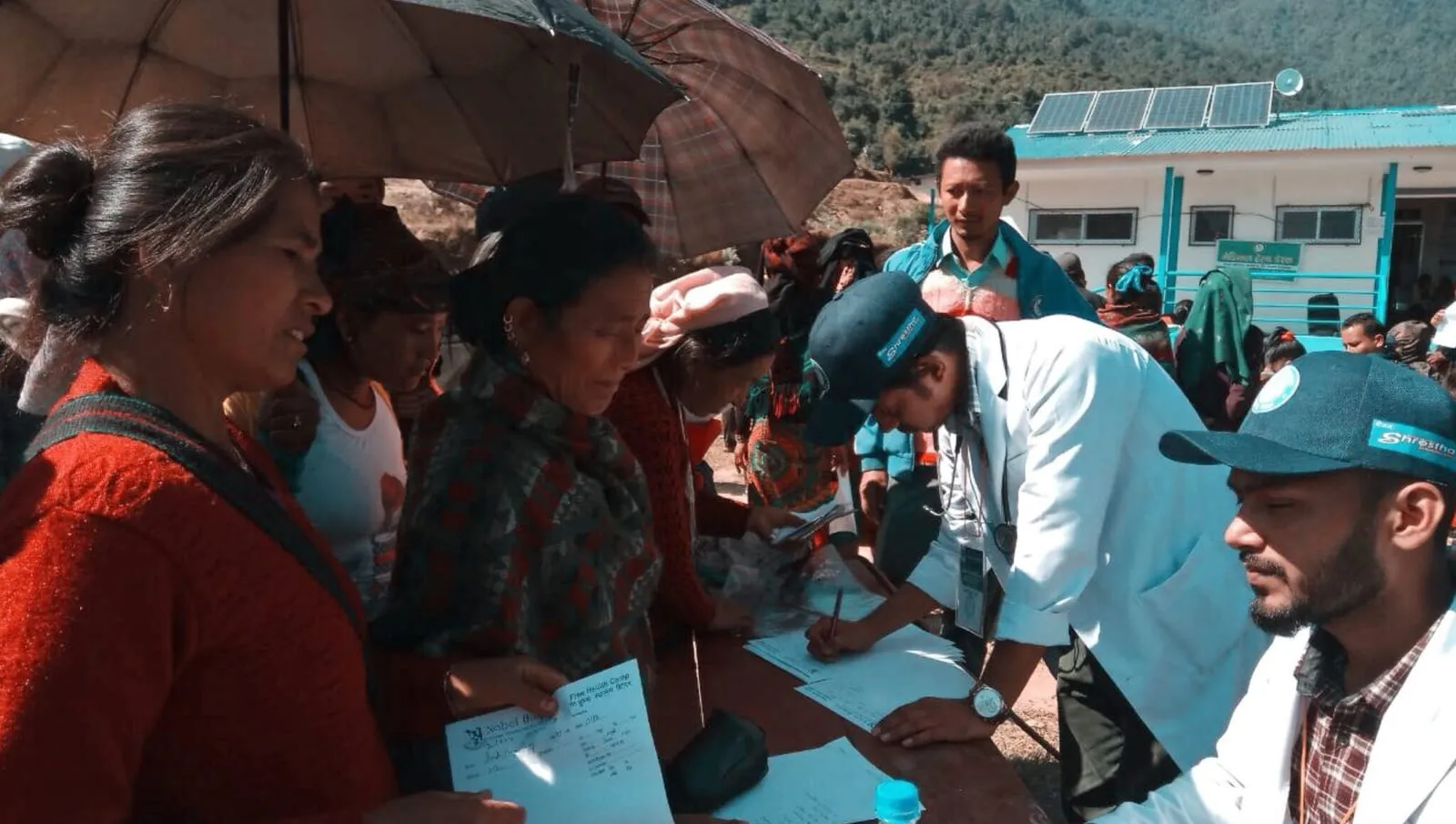
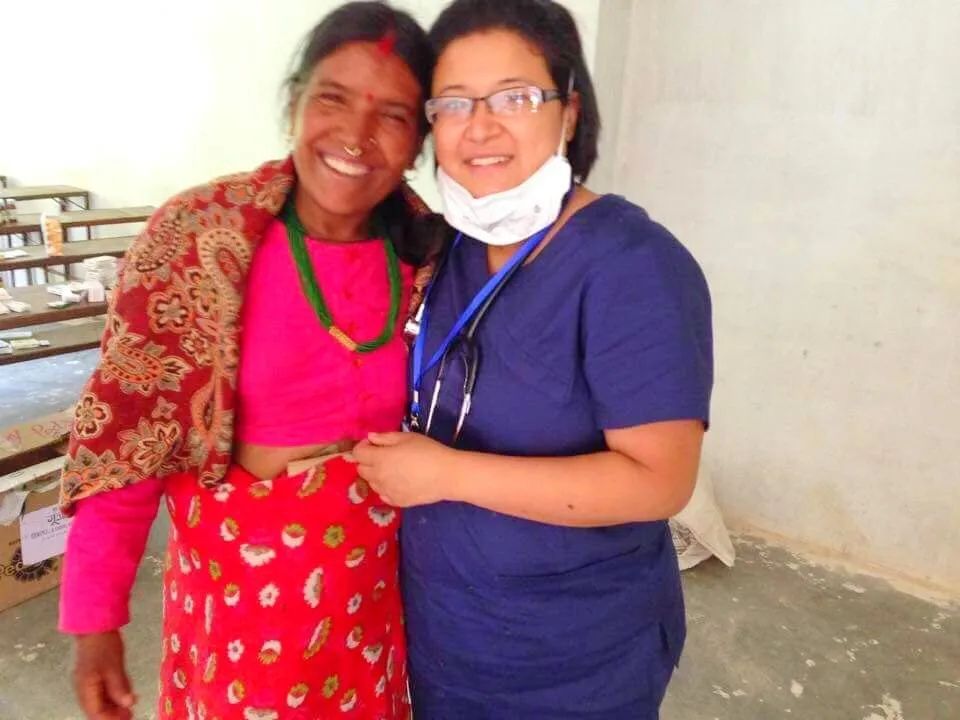
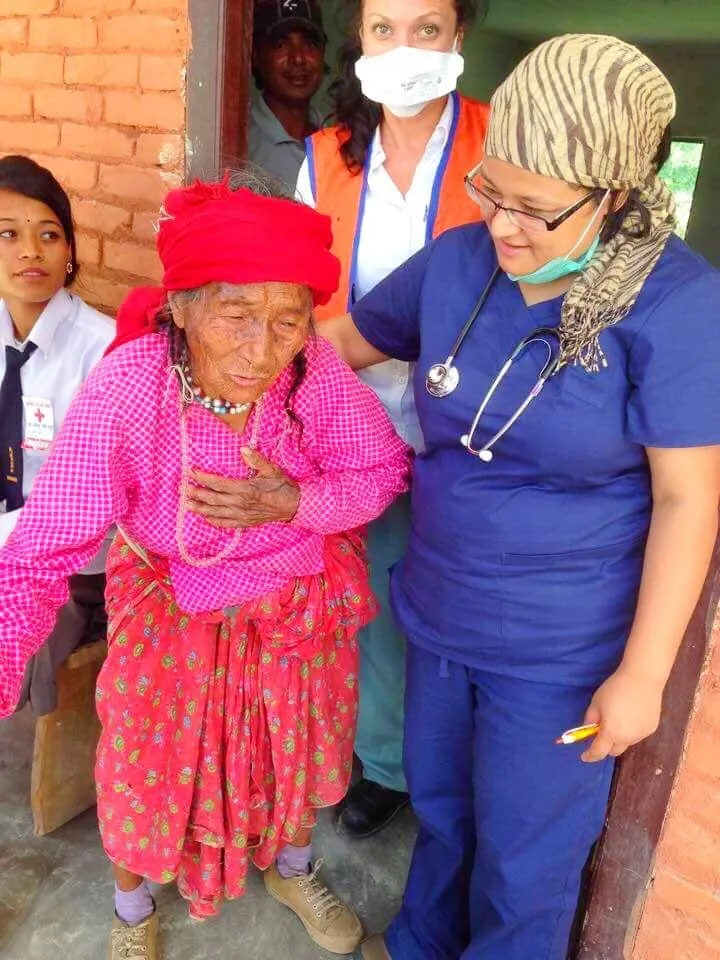
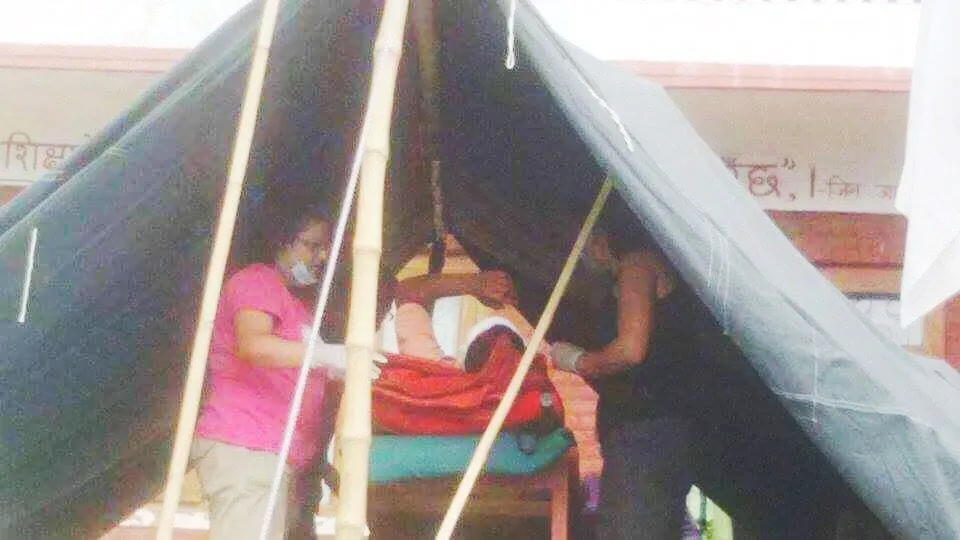
Dolakha health camp, 6–7 June 2015: the account describes six medical professionals, five psychological counsellors, fifteen volunteers and two drivers travelling roughly ten hours to reach the area. It reports care for more than 600 patients, additional support for 1,100 children, around 100 blankets and 600 educational materials.
Field assessment and targeted support: The original account describes board member Meelan Gurung personally funding a field researcher to assess local needs and help guide a focused response. Village housing and reconstruction remain central campaign priorities, but outcomes attributed to other individuals are not included here.
These are historical figures and attributions reported by the foundation, not independently audited totals.
Help communities help themselves
One of the strongest messages in the original Nepal reporting was that local communities already possessed the determination, skill and knowledge to lead their own recovery. The role of international support is to provide resources, coordination and solidarity, never to present outsiders as the sole rescuers.
Our mission is not measured only in the number of goods delivered. It also asks whether families can return, schools reopen, health services become accessible, livelihoods recover and communities build resilience against future emergencies.
Historical source: Humans of Our World, “Rebuild Villages”, 27 August 2018.
People who helped Nepal rise again
The foundation’s original 2018 account did not tell only a story of damage. It told a story of people helping neighbours, volunteers organising themselves and supporters contributing what they could. Those individual contributions deserve to remain visible, with appropriate credit.
“Yesterday I was scared, today I am strong enough to help.”
The original Rebuild Villages account described a Nepali volunteer who wrote these words on his T-shirt after the earthquake and helped organise others. It is a poignant reminder that communities affected by disaster are not passive recipients of charity. They have knowledge, courage and leadership of their own.
Quotation preserved from the foundation’s 27 August 2018 publication; the volunteer’s identity was not provided in that account.
Dr Fahim Rahim - medical response and a call for greater assistance
The original 2018 article recognised Dr Fahim Rahim, a physician based in Idaho and a foundation ambassador at the time, for his response to the Nepal earthquakes and his advocacy for additional United States assistance. It recorded a petition calling for aid to reach US$100 million. The petition and his separate relief contribution should be credited to him; this is not evidence that the petition alone caused any later government funding decision, and his work must not be combined with the Dolakha camp’s clinical totals.
Meelan Gurung - listening before deciding where to help
Board member Meelan Gurung personally funded a research visit to Nepal, according to the foundation’s original account. A researcher assessed conditions and prepared information intended to help the foundation direct resources towards communities and priorities that might otherwise be missed.
Humanitarian assistance works better when informed by what residents need, not by what outsiders assume would look impressive.
Our historical record: The accounts of the Nepali volunteer, Dr Fahim Rahim and Meelan Gurung reflect the foundation’s 2018 publication. Contributions by separate people and relief initiatives are not combined into a single impact total.
Three stages. One long-term responsibility.
Immediate relief
Protect lives and safety with emergency shelter, food, clean water, sanitation, accessible medical care, psychological support and coordination with trusted local responders. Listen to what affected residents identify as urgent.
Rebuilding what matters
Restore safe homes, schools, clinics, water and access routes with community participation, appropriate safety standards and attention to disabled residents, children and older people.
Renewal and resilience
Support local enterprise, agriculture, tourism where appropriate, education, connectivity, disaster preparedness and opportunities for residents to remain or return voluntarily.
Memory and accountability
Keep public attention on the community after news coverage fades. Attribute who did what; report outcomes separately from intentions; learn from local people and revise plans when circumstances change.
Rebuilding is not complete when a photograph of a repaired roof is taken. Its success is measured by whether life in the village can continue with dignity and opportunity.
Action matters. Awareness matters. Neither is enough alone.
The foundation’s original 2018 campaign said that action numbers and awareness numbers are equally important: direct assistance helps a person now, while sustained public attention can help ensure that a village and its people do not disappear from the world’s conscience.
We preserve that founding ambition while keeping the measurements distinct. Views, shares and social-media engagement can show awareness. Funds distributed, people helped, services restored and homes safely made available are different kinds of results. A responsible humanitarian movement makes both visible without pretending they are interchangeable.
Make the need visible
Tell verified stories, credit local voices, encourage public-interest journalism and keep rural communities in public discussion after disasters or during gradual decline.
Make the help tangible
Work alongside qualified local partners and residents on housing, health, education, infrastructure, livelihoods and recovery needs, with accurate accounting of what has actually been delivered.
Historical source: “Rebuild Villages,” Humans of Our World Foundation, 27 August 2018.
What we advocate for now
- Village-first public policy: services, infrastructure and economic opportunities for rural residents rather than policies designed solely around visitor numbers.
- Homes that remain homes: restoration approaches that protect affordable year-round housing and prevent displacement.
- Young people’s futures: education, apprenticeships, remote-work access and local enterprise so leaving a village is a choice, not a necessity.
- Care across generations: accessible health services, community support for older people and practical measures that reduce isolation.
- Responsible cultural conservation: protect language, craft, landscapes and historic architecture without treating residents as part of a tourist display.
- Community-led disaster recovery: support local organisations, transparent delivery and rebuilding plans informed by residents.
- Climate and disaster resilience: safer building practices, risk reduction, land and water stewardship, and emergency preparedness.
- Honest storytelling: report hardship with consent and dignity; use local voices and avoid exploiting tragedy for personal or corporate publicity.
Advocacy, journalism, education and partnerships are meaningful forms of action, but they must be distinguished from direct operational delivery. We do not claim to have rebuilt villages in Italy or delivered public infrastructure unless specific verified projects can substantiate such claims.
Why this matters beyond Italy and Nepal
The challenges facing rural communities are global, but solutions cannot simply be copied from one country to another. A village recovering from a typhoon may need different assistance from a mountain town confronting depopulation or a rural settlement recovering from armed conflict.
Our original village-recovery mission recognised places including Nepal, Italy, the Philippines, Haiti, Ghana, India and Greece. We retain that global commitment while recognising that the foundation’s documented Nepal relief history and current advocacy for Italian village conservation are different kinds of activity.
Related editions include Disaster Relief, Pro-Home and Shelter, Conservation and Sustainability, The Hands That Make Our World, and Still Here. Still Human. Each retains its own purpose; this edition is specifically about villages and the people who sustain them.
Don’t forget them when the cameras leave.
Speak up for a village you know. Listen to its residents. Connect local groups with people who can support them. Help preserve both the buildings and the lives within them.
To propose village-conservation partnerships, share verified community reporting or contribute relevant expertise, contact [email protected]. For foundation campaigns and film support, see Humans of Our World Foundation.
MAKE HUMANITY VIRAL.
Photos
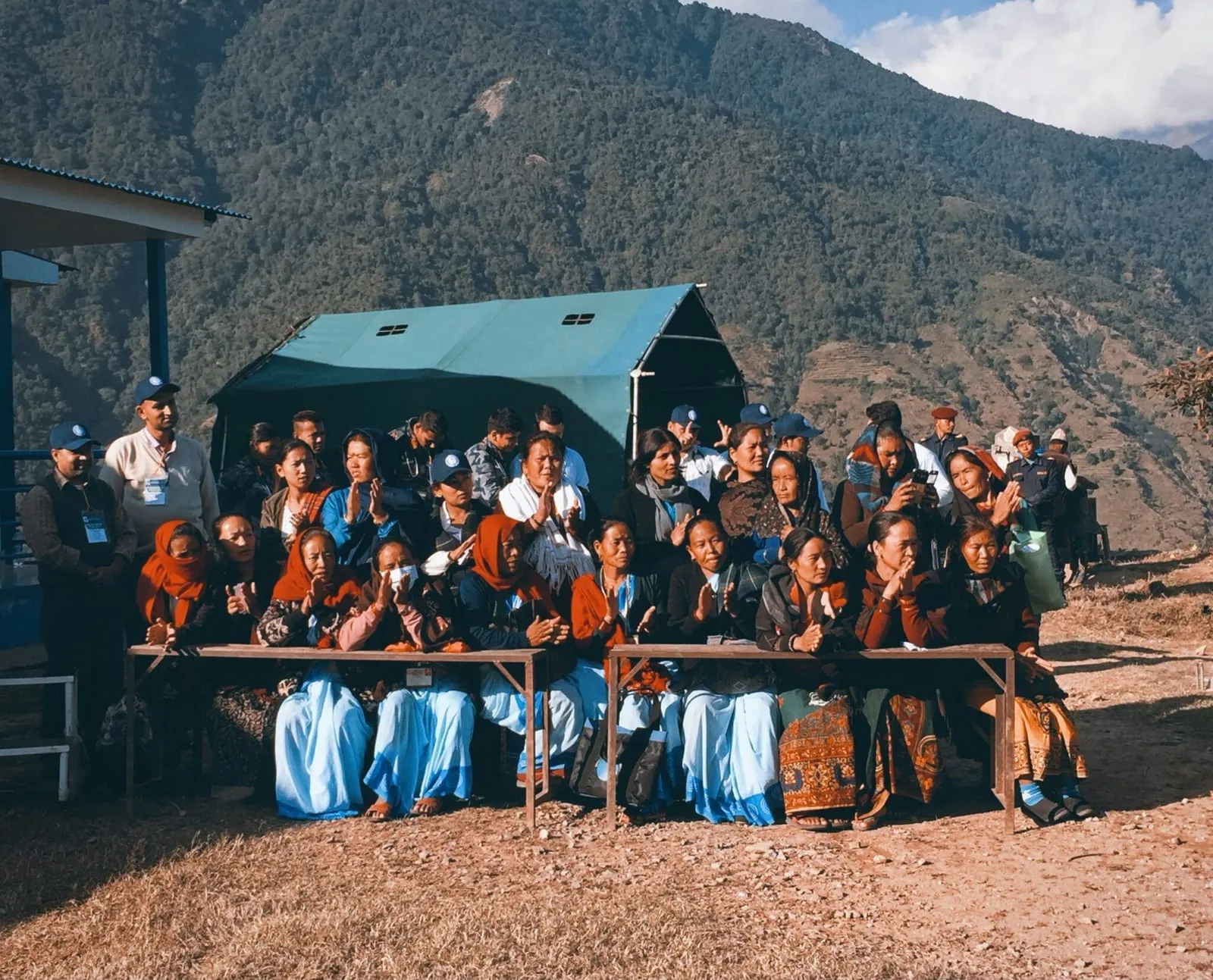
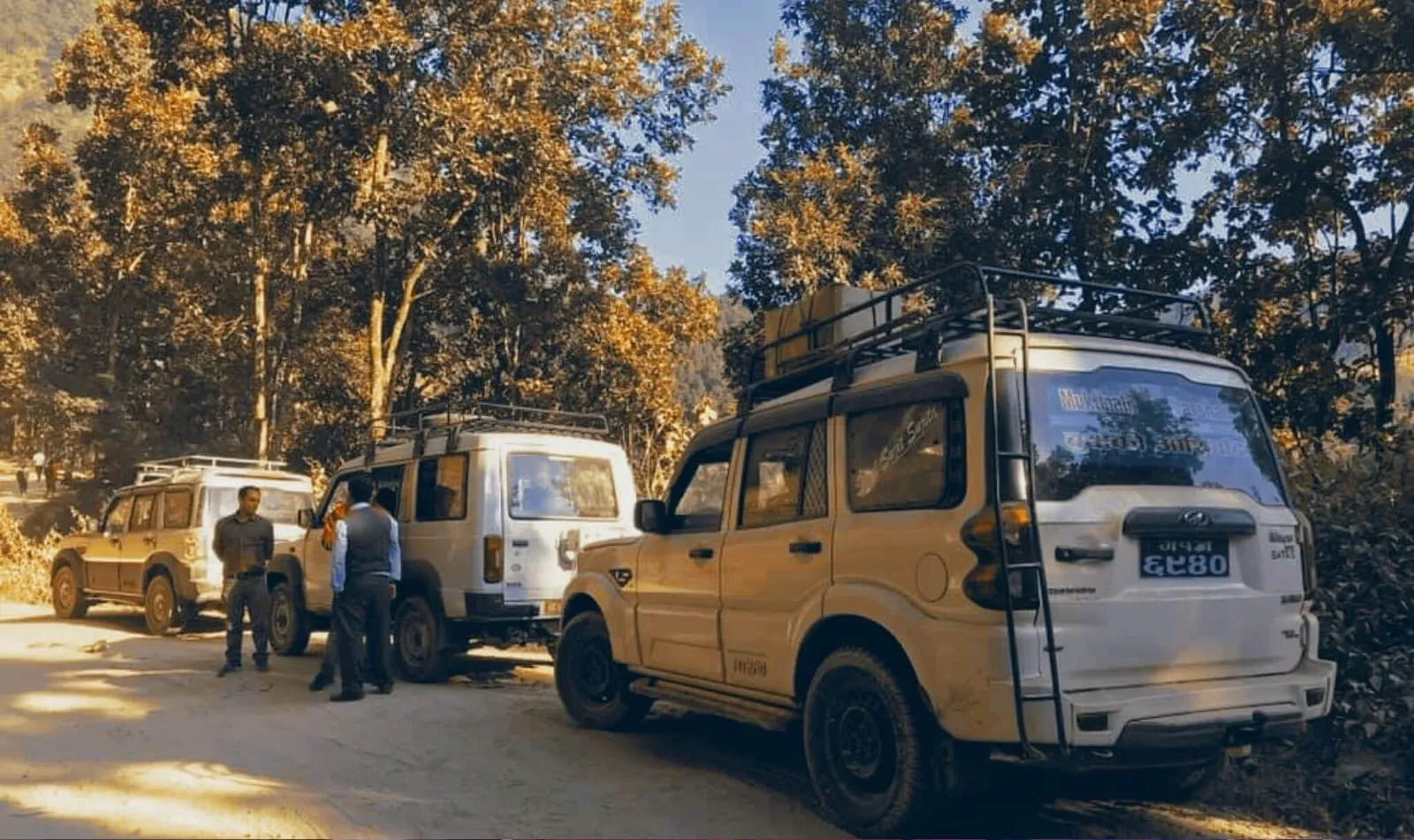
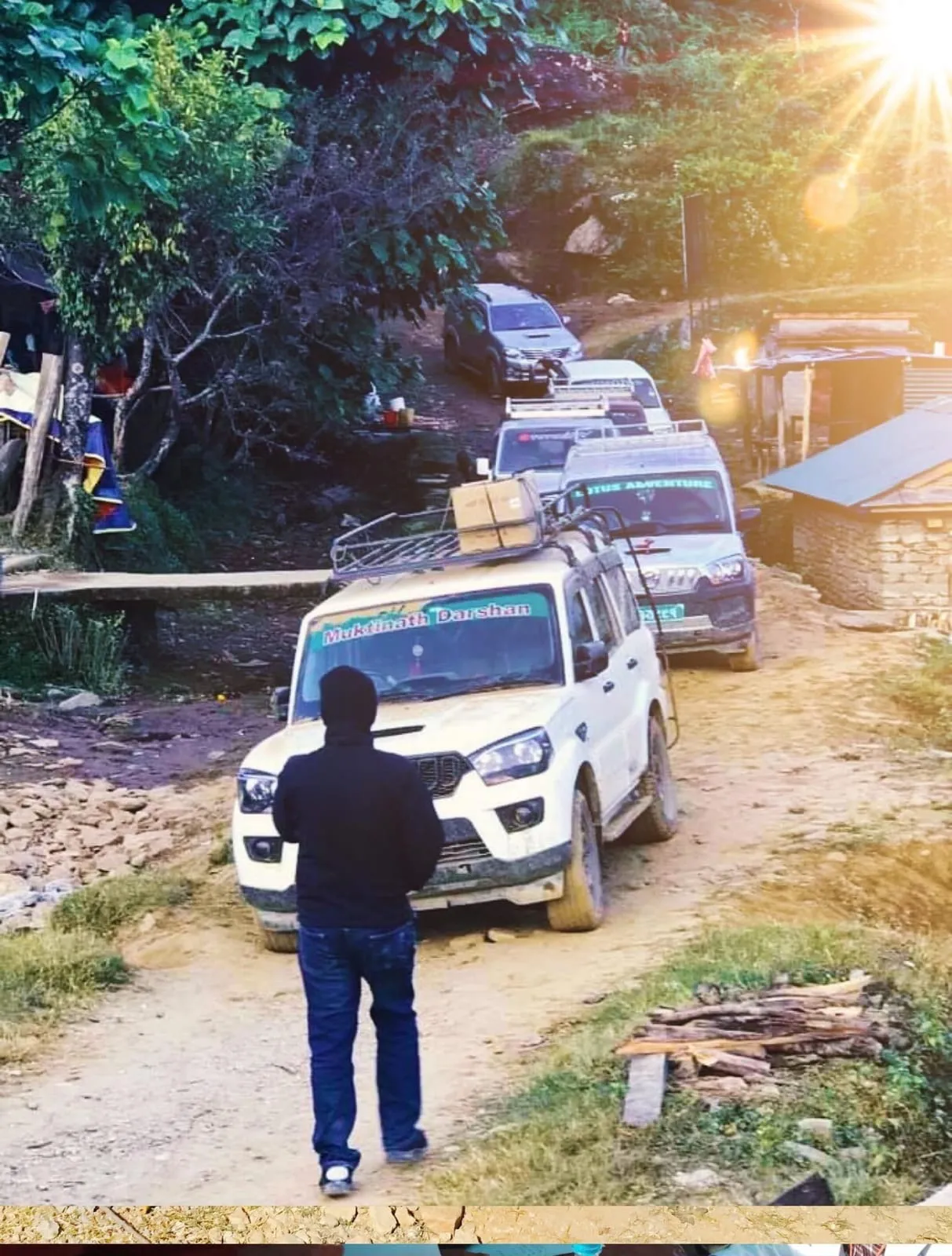
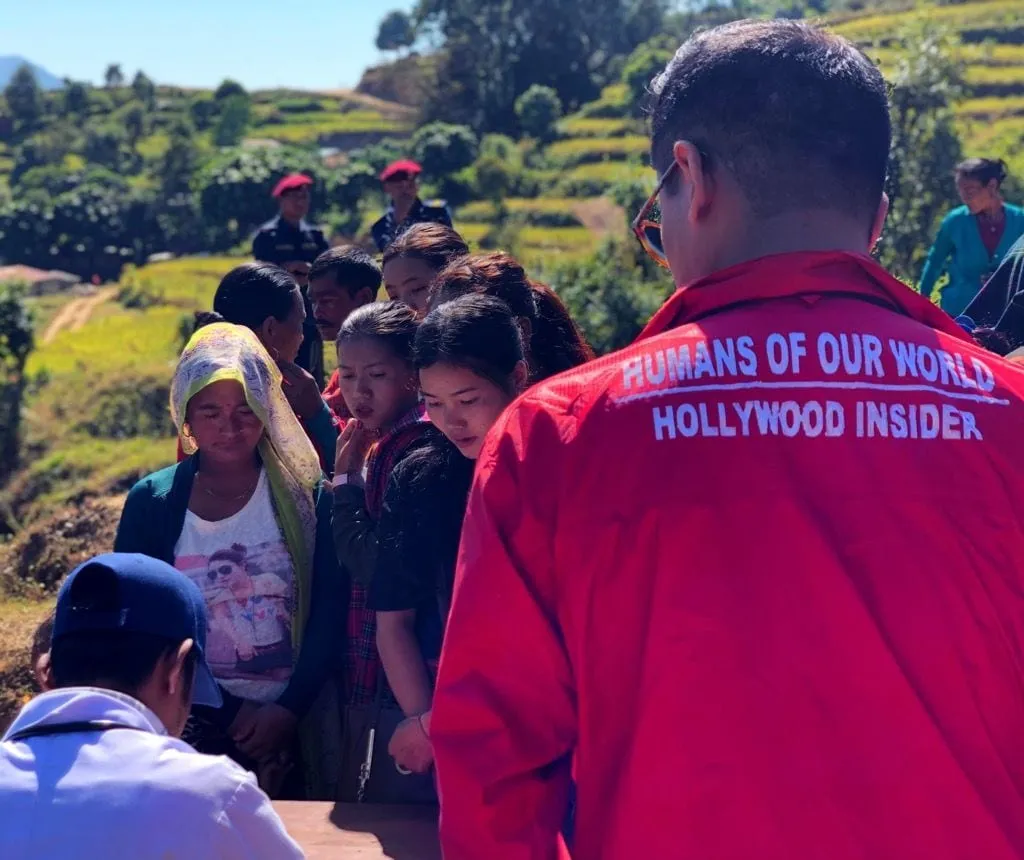
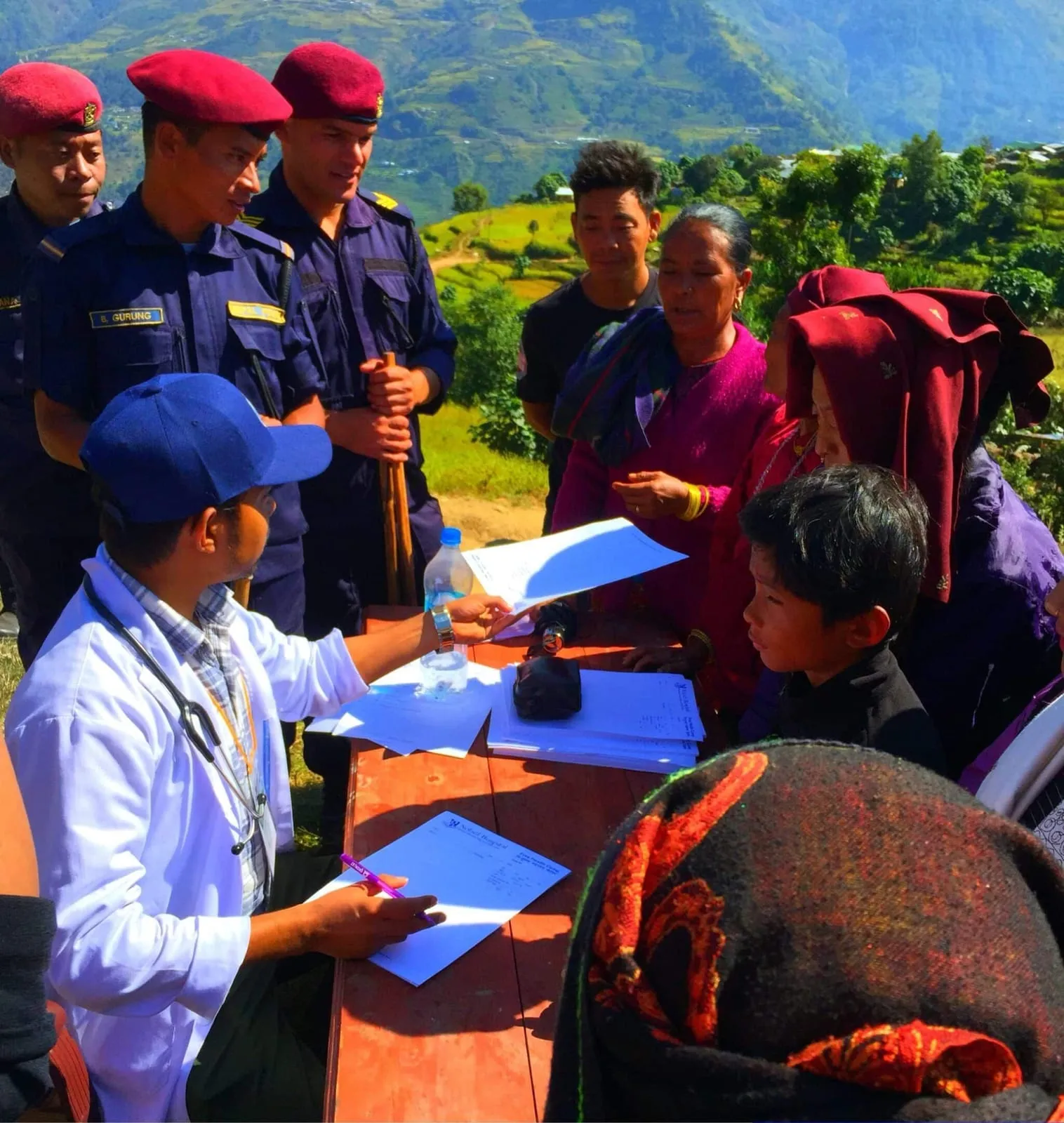
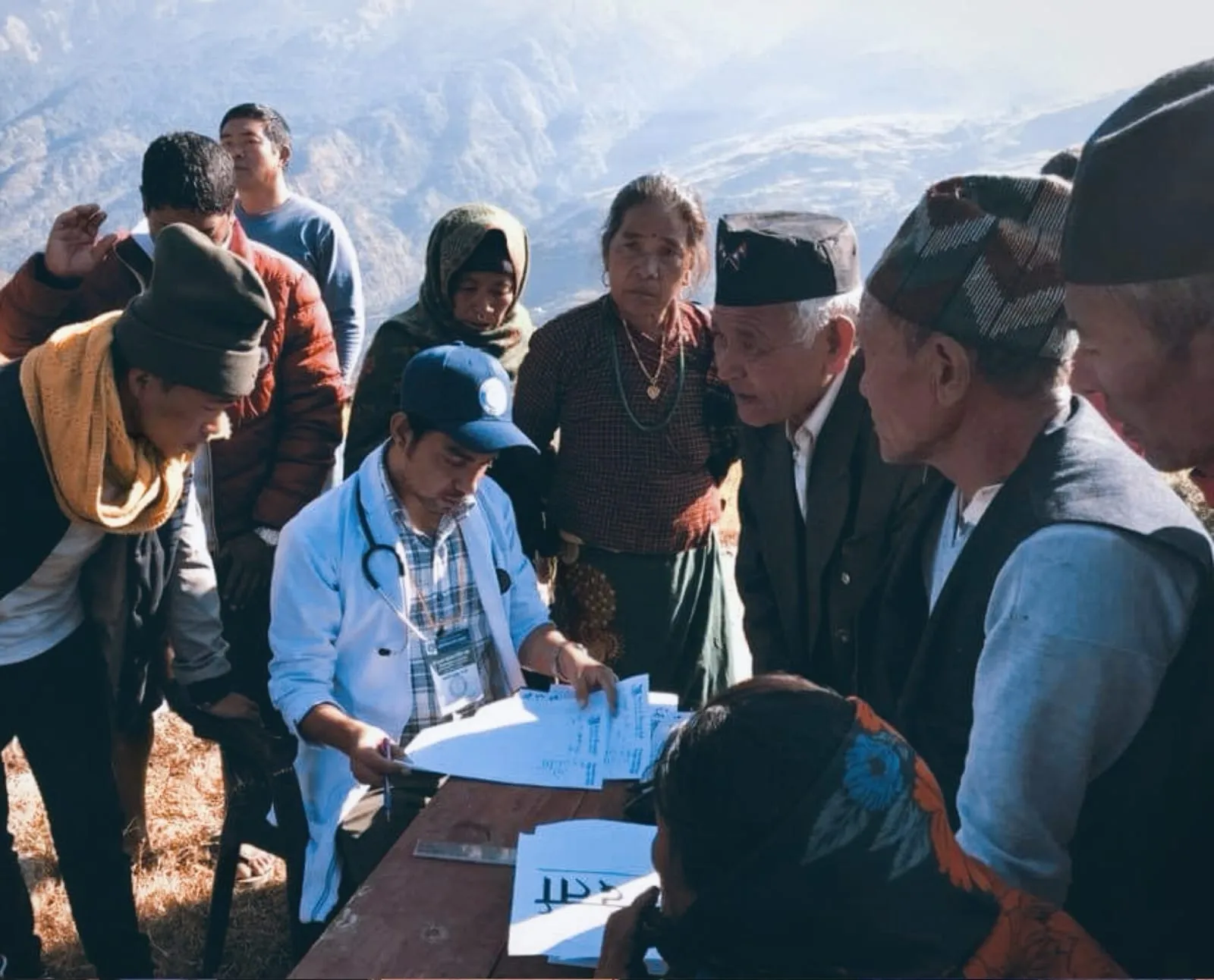
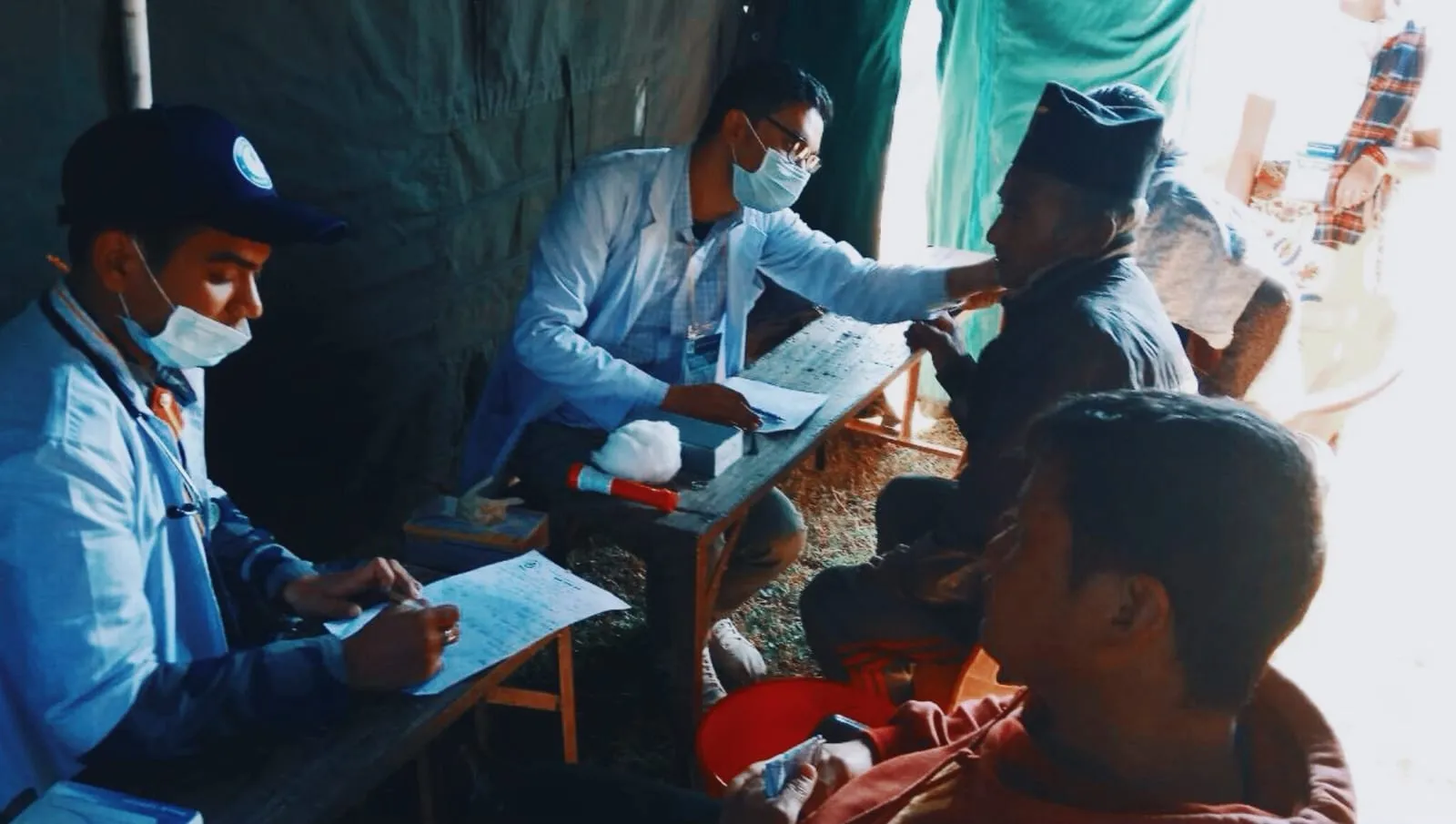
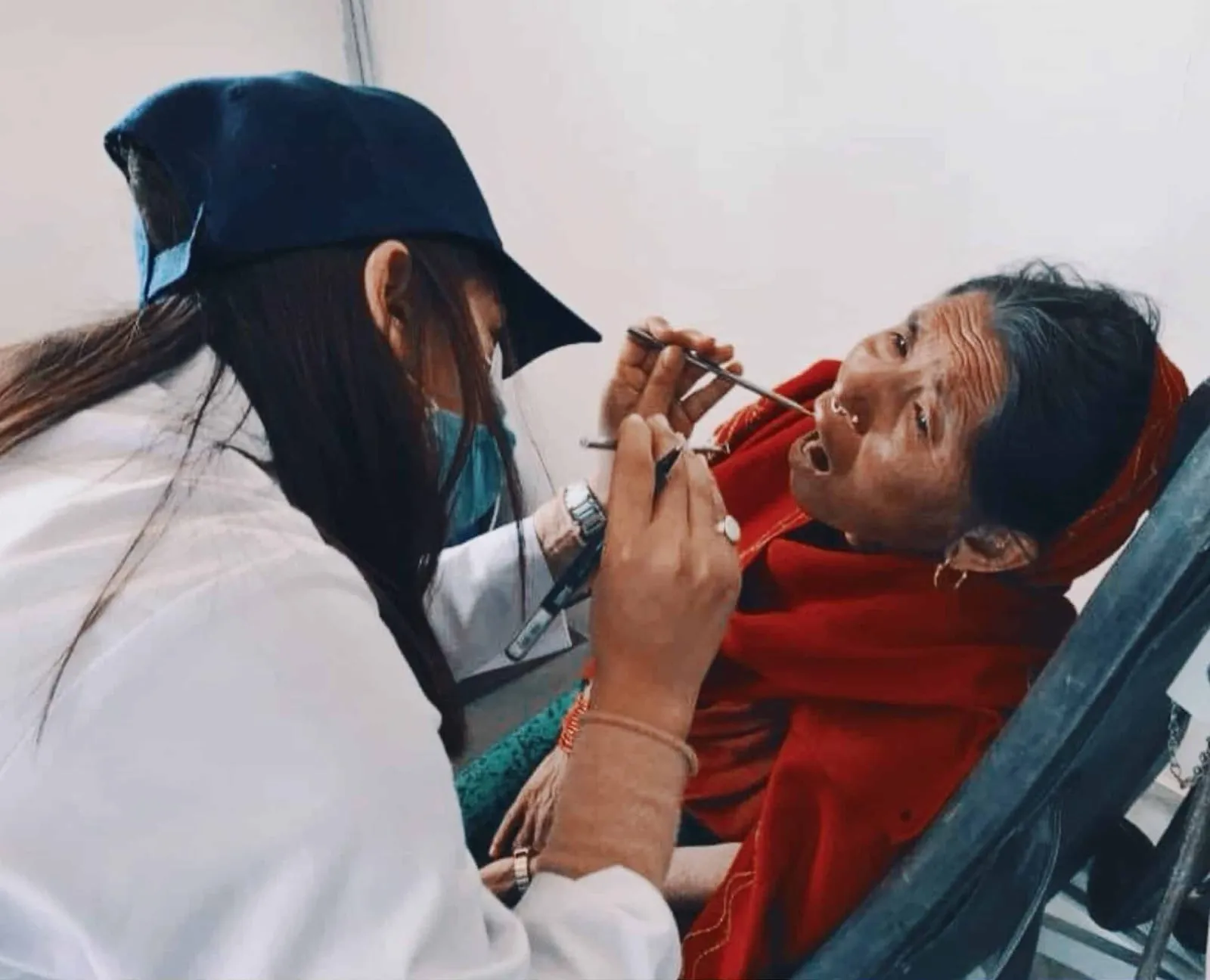
Nepal Humanitarian Camp, 2018
Our 2018 humanitarian camp in Ghyachchok, in the hills of Nepal, for villages still recovering from the 2015 earthquakes.
Photos
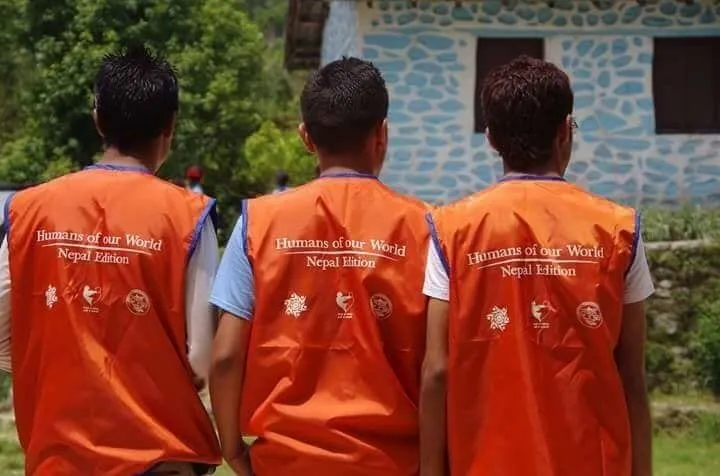
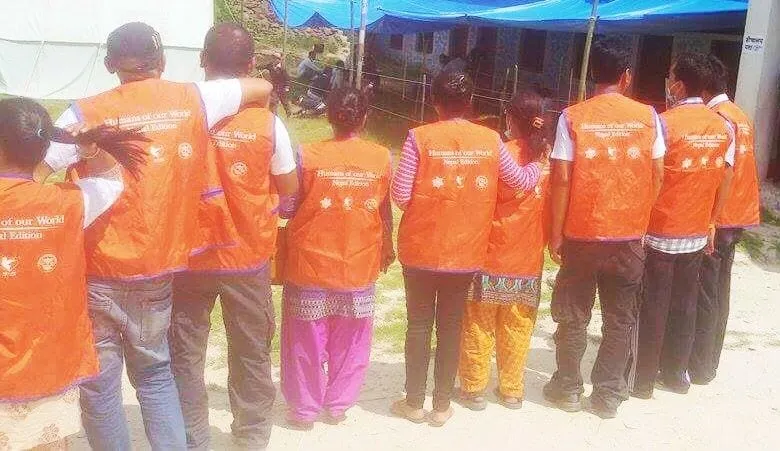
Humans of Our World, Nepal Edition
After the 2015 earthquakes we set up our Nepal Edition to keep the world’s attention on Nepal, and our volunteers and health workers went to the villages.
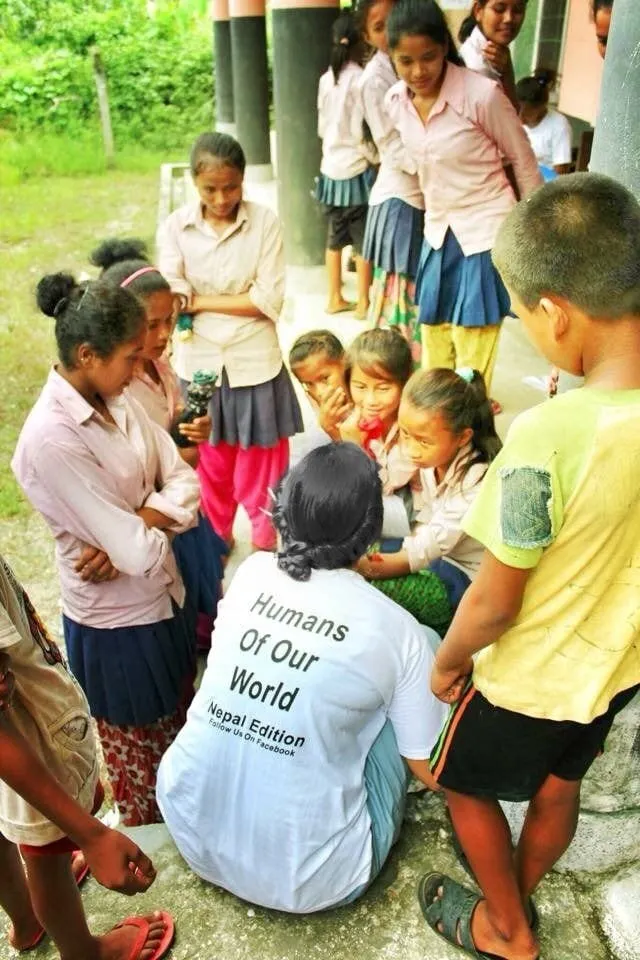
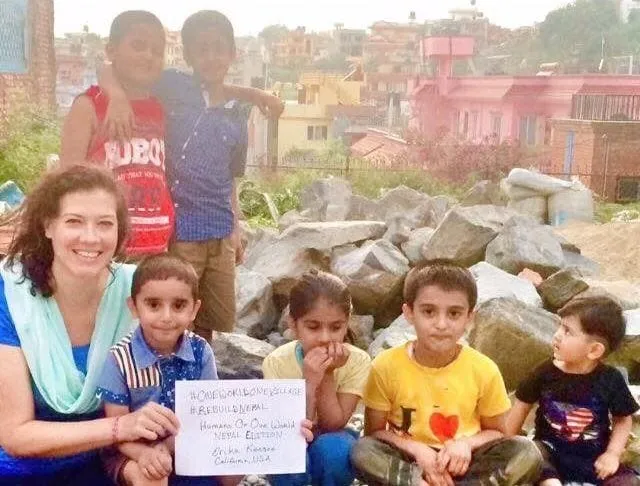
Representative Erika Keese, from the USA, with children in Nepal. 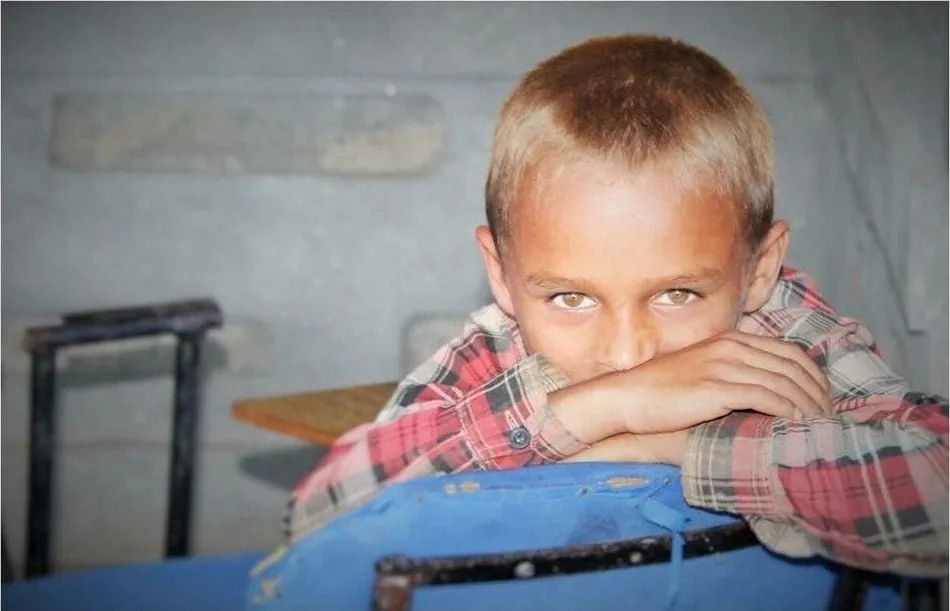
Harmi, Gorkha. Photo: Erika Keese.