

Cause 22 of 38Humanitarian Relief2013
Disaster Relief Edition
When disaster strikes, we cannot simply watch. We must rise for one another.
- How it began
- Our published historical accounts describe more than 500 boxes of relief materials sent in response to Typhoon Haiyan, alongside support for school supplies, books and toys and cooperation with grassroots organisations.
- When did it start
- 2013
- Where it stands
- Ongoing humanitarian advocacy
An earthquake can take a home in seconds. A typhoon can tear apart a community overnight. The rebuilding of lives may take years. Our commitment is to mobilise humanity, support local responders, protect dignity and ensure that people are not forgotten when the headlines disappear.
When homes fall, humanity must stand.
The people beneath the headlines are parents looking for their children, neighbours carrying one another to safety, older people searching for medication, and families wondering where they will sleep. A disaster may be measured in magnitudes, rainfall or wind speed. Its true human consequences cannot be measured by those figures alone.
Humans of Our World Foundation’s DISASTER RELIEF EDITION works through public awareness, fundraising advocacy, educational media, collaboration with grassroots responders and practical humanitarian assistance where supported by verified programmes and partners. We believe the most effective response begins with listening to the people who live in the affected community.
Awareness without action is pointless. Compassion becomes meaningful when somebody is actually helped.
Before “Make Humanity Viral” had a name, we were already mobilising humanity.
2013 · WE-UNITED, Typhoon Haiyan, Philippines
Our published historical accounts describe more than 500 boxes of relief materials sent in response to Typhoon Haiyan, alongside support for school supplies, books and toys and cooperation with grassroots organisations.
2015 · The World Stands With Nepal
After Nepal’s earthquakes, the foundation supported local humanitarian partners, medical and psychological outreach, material assistance and public campaigning to keep neglected communities in view.
27 August 2018 · Our wider Disaster Relief article
The foundation publicly described how it used social media to keep international attention on disasters, recruit volunteers and connect donors with people responding on the ground. Publication in 2018 did not mark the beginning of this relief work.
Continuing · Make Humanity Viral
We seek to combine social mobilisation, responsible journalism, clear calls to action and partnerships that translate awareness into tangible, locally led assistance and recovery.
Our longstanding message is simple: a global community can help even when it cannot physically stand in the disaster zone. But its contribution must strengthen the capacity of those who can respond locally, not replace their judgment or turn suffering into publicity.
Philippines: WE-UNITED - Typhoon Haiyan, 2013
When Typhoon Haiyan devastated communities in the Philippines, WE-UNITED connected support across borders. The foundation’s historical account describes the shipment of more than 500 boxes of relief materials, alongside funds supporting school bags, books and toys, and cooperation with grassroots partners in affected areas.
The priority was practical: items that communities needed, people who could receive and distribute them, and solidarity that outlasted the first urgent headlines. The response illustrates the foundation’s original belief that online mobilisation must culminate in support reaching people on the ground.
The 500+ boxes figure is attributed to the foundation’s historical reporting.
Explore WE-UNITED - Typhoon Haiyan (2013)
Nepal: medical care, psychological support and rebuilding
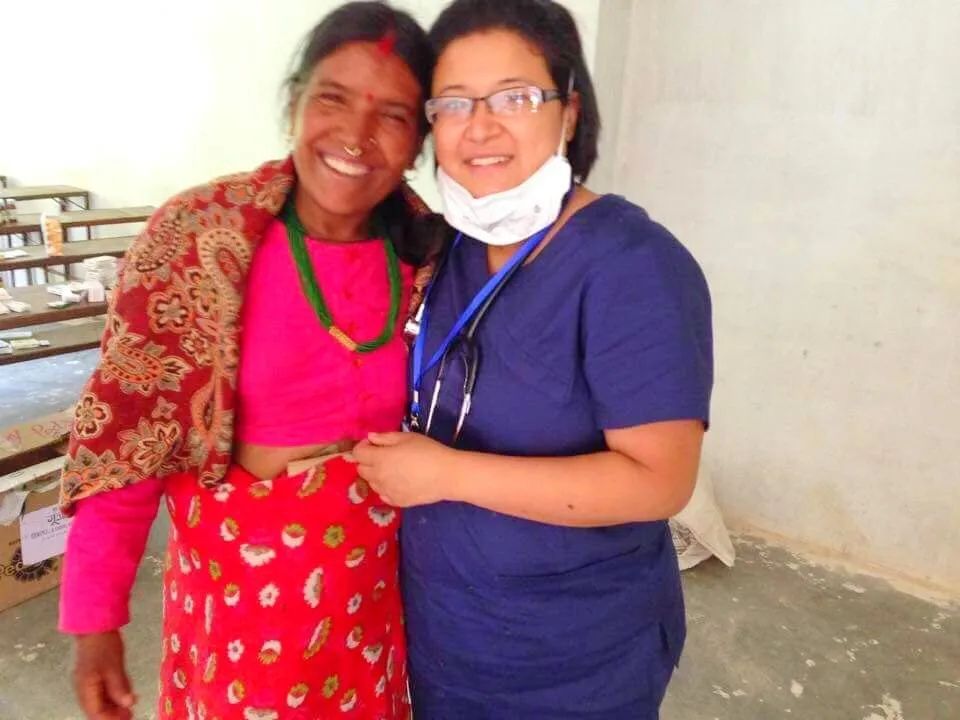
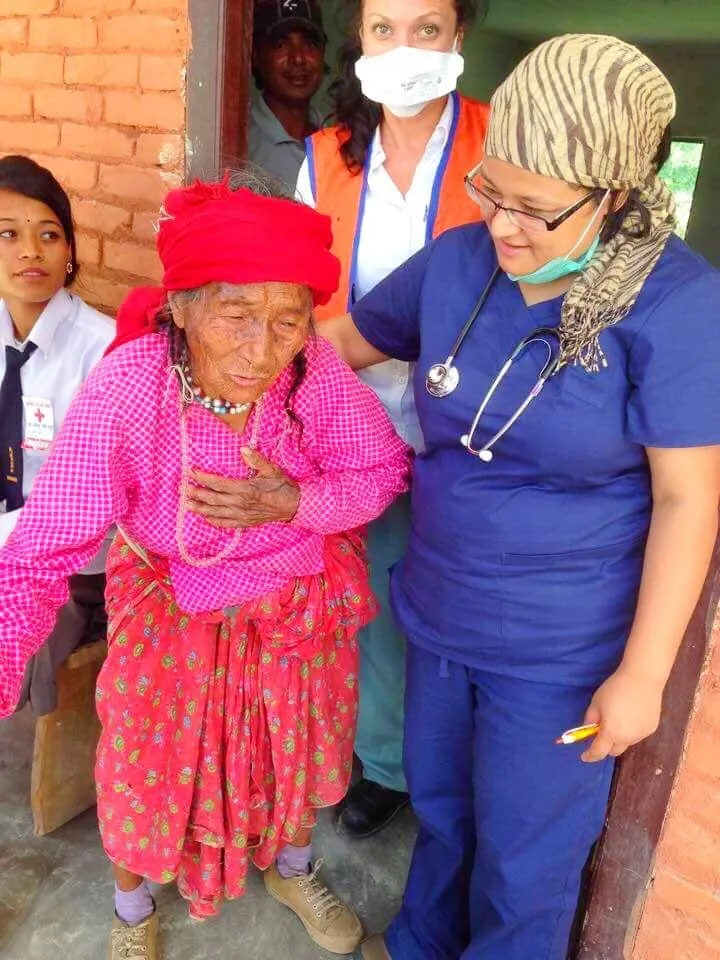
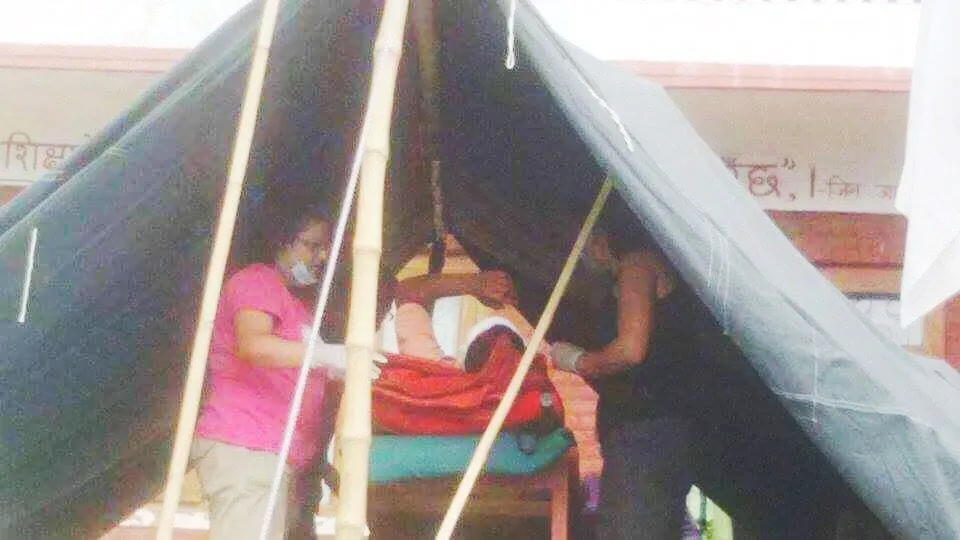
Following the 2015 earthquakes, Humans of Our World Foundation worked with Nepali partners and community networks to respond to urgent needs and encourage sustained recovery. The historical record describes a medical and wellbeing camp at Dolakha on 6–7 June 2015, involving six medical professionals, five psychological counsellors, fifteen volunteers and two drivers.
- 600+ Patients reported assisted at the Dolakha camp
- 1,100 Children reported reached through associated activities
- 600 Educational items reported distributed
The response also reported approximately 100 blankets provided. Its network included Healthy Nepal Foundation, Hug and Heal Foundation, local hospitals and allied grassroots organisations. Foundation materials describe support for village homes and additional field research; these should be attributed to the relevant people and projects rather than folded into one undifferentiated impact total.
The contributions of Indra Gurung and Basudha Gothane are part of the foundation’s Nepal humanitarian history. A collaboration with the Nepal Medical Association was announced in 2019. These historical connections do not, by themselves, establish present-day organisational arrangements.
We remember the people who respond locally: the doctors, counsellors, families, volunteers, community organisations and neighbours who know the language, roads, traditions and needs of the people they help. Their experience must lead.
Figures above reflect foundation-published historical accounts, not independently audited totals; the children reached should not be equated with the number of medical patients.
Explore The World Stands With Nepal · Don’t Forget Our Villages
Solidarity must never depend on which country is in the headlines.
Our original Disaster Relief article also referred to international relief and awareness campaigns concerning Italy, Haiti and Mexico, alongside Nepal and the Philippines. The foundation’s wider accounts describe humanitarian and welfare engagement associated with Ghana, Kenya and Nigeria.
These places belong in the history of the foundation’s international humanitarian concern. The scale and nature of activity, however, differ by location: a media appeal, volunteer network, partner-supported distribution and independently documented foundation delivery are not interchangeable. Each specific response should be represented through its own confirmed history.
No country should be a temporary trend in the global conscience. Whether a disaster strikes a wealthy nation or a community with fewer resources, its people deserve safety, dignity, accurate attention and a meaningful chance to recover.
Make the world pay attention - then turn attention into action.
The foundation’s original 27 August 2018 article described social media as a powerful tool for bringing international communities together. It reported striking campaign-reach figures, online engagement and volunteer registrations. Those accounts form part of our history and of the thinking that later became the Make Humanity Viral movement.
The original article also reported volunteer groups exceeding 500 people in each country involved. A registration, a page like, a video view and an active volunteer shift are different measures. We preserve these as historical statements by the foundation, not independently verified contemporary totals.
Reach is not the result. We want to know whether attention helped someone receive medical treatment, water, shelter, education, safe transport or a rebuilt home. Today’s tools - accessible communication, secure mapping, early warnings, translation and responsibly used AI - should be judged by their practical contribution to people in need.
Direct where possible. Accountable always. Local people first.
Our original campaigns championed getting assistance to affected people quickly, without unnecessary bureaucracy and without using a crisis to elevate an institution’s image. The 2018 article described a commitment to passing donated funds and relief materials through trusted local people and organisations, rather than holding them in personal accounts.
That article also stated an ambition and historical claim that 100% of donations reached intended recipients within one month. We preserve the substance of that commitment - maximum humanitarian benefit, speed and responsible stewardship - but do not present the original percentage or timing as an independently audited guarantee for every programme, past or future.
Locally led response
Support qualified local organisations, community health workers and residents who understand local needs and safety conditions.
Transparent delivery
Distinguish pledges, funds received, goods dispatched, goods delivered and services actually provided. Explain necessary logistical and safeguarding costs honestly.
No saviour mentality
Give credit to local people and partners. Assistance should be unconditional and respectful; no person must pose for publicity to receive help.
Choosing an accountable route to aid matters more than claiming that all intermediaries are unnecessary. In many emergencies, competent public authorities, specialist aid organisations and established coordination systems are essential. Our aim is effective and traceable assistance - not a blanket rejection of institutions.
Three stages. One commitment to people.
Save lives now
Emergency medicine, psychological first aid, food, clean water, essential medication, accessible shelter, hygiene, safe transport and protection from violence or exploitation.
Restore what families need
Safe homes, schools, clinics, transport, water and sanitation systems, disability access and community services, led by residents and appropriate professionals.
Help communities flourish again
Local livelihoods, education, preparedness, mental-health support, resilient infrastructure and lasting opportunities for people to remain in or return to their communities.
Reconstruction is not complete because a ribbon has been cut or a photograph has been taken. Recovery means that everyday life can begin again with safety, choice and dignity.
The most vulnerable must never become the least visible.
Children
Protect against separation, trafficking and abuse; restore safe learning, family connections, age-appropriate healthcare and psychological support.
Older people
Maintain medication access, accessible evacuation, familiar support and protection against isolation, neglect or abandonment.
Disabled people
Ensure assistive equipment, accessible information, mobility support and distributions that do not exclude people unable to travel or queue.
Displaced people and survivors
Protect privacy, documents, safe accommodation, rights and access to qualified support without discrimination or demands for publicity.
Healthcare must be delivered by appropriately qualified professionals, sensitive information must be protected, and assistance should reflect local culture and the wishes of affected people. The foundation’s NOT YOUR MARKETING OPPORTUNITY campaign reinforces this principle: people experiencing disaster are never promotional material.
Stories can mobilise aid. They must never exploit suffering.
Public-interest journalism, cinema-docus, interviews and humanitarian campaigning help distant audiences understand crises, hold institutions accountable and recognise the work of grassroots responders. They are meaningful forms of advocacy; their publication is not the same as direct relief delivered.
We call on communicators to ask informed consent where appropriate, protect children and other vulnerable participants, verify claims, avoid sensational images, credit local journalists and responders, and report plainly what funds and materials actually achieved.
The cameras may leave. Our responsibility must not.
Humanitarianism belongs to all of us.
Community organisations: share a verified local need and a feasible, safeguarded response. Medical, logistics and technical professionals: offer specific expertise through legitimate response channels. Journalists and filmmakers: tell accurate stories that respect the people within them. Businesses and donors: support clearly identified needs and insist on responsible reporting. Everyone: keep helping after the first wave of coverage.
For discussions about collaborations and future disaster-relief initiatives, contact [email protected]. Donations should only be made through verified campaigns that clearly identify their purpose; film-release fundraising and disaster-response fundraising must not be conflated.
One humanitarian vision. Distinct missions and histories.
- WE-UNITED - Typhoon Haiyan, Philippines
- The World Stands With Nepal
- DON’T FORGET OUR VILLAGES
- NOT YOUR MARKETING OPPORTUNITY
We are not waiting for somebody else to be human.
When another person’s world falls apart, our responsibility is not simply to feel sorrow. It is to stand beside them, support those who can help and remain until rebuilding becomes possible.
We rise for one another.
Photos
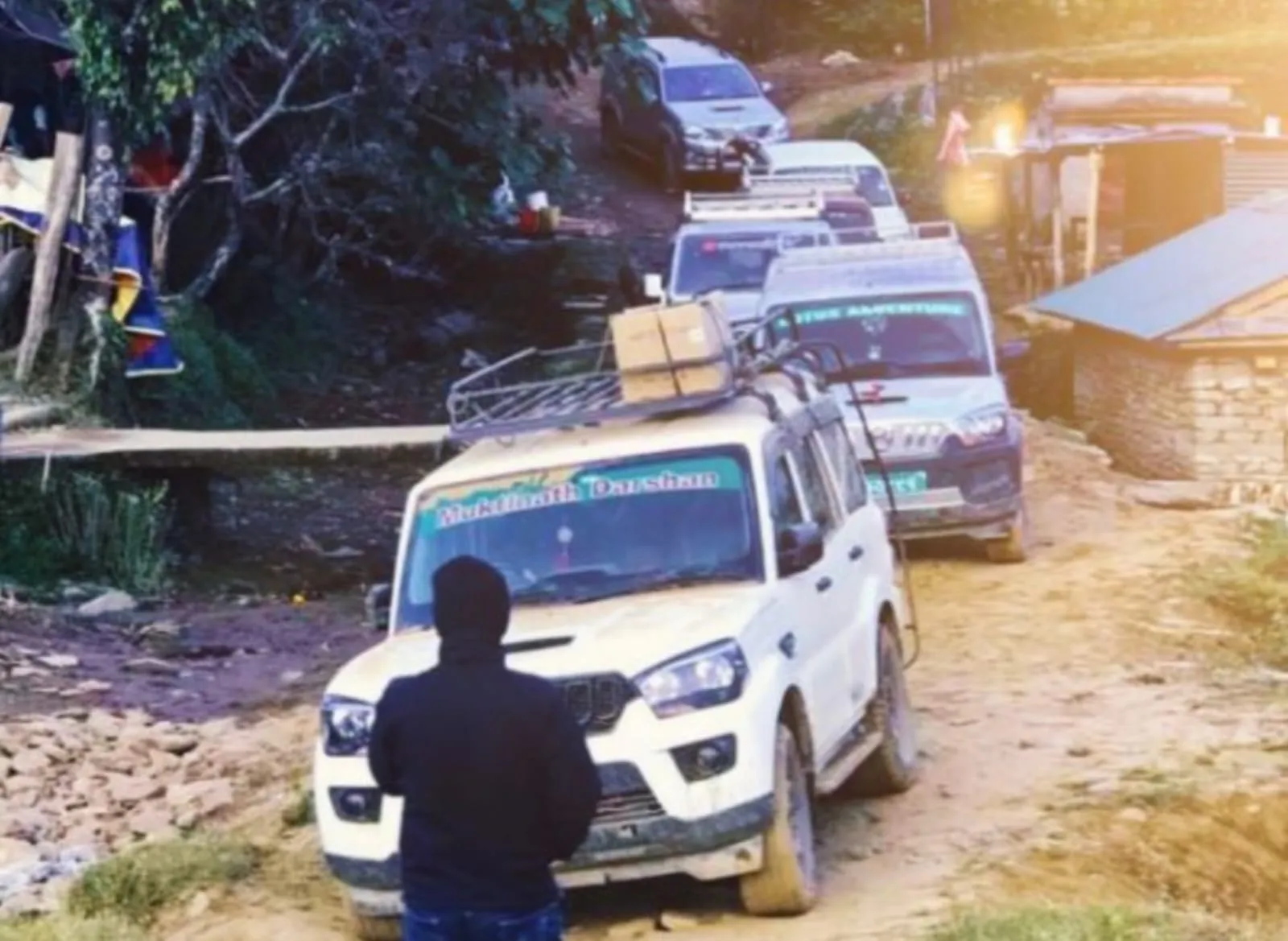
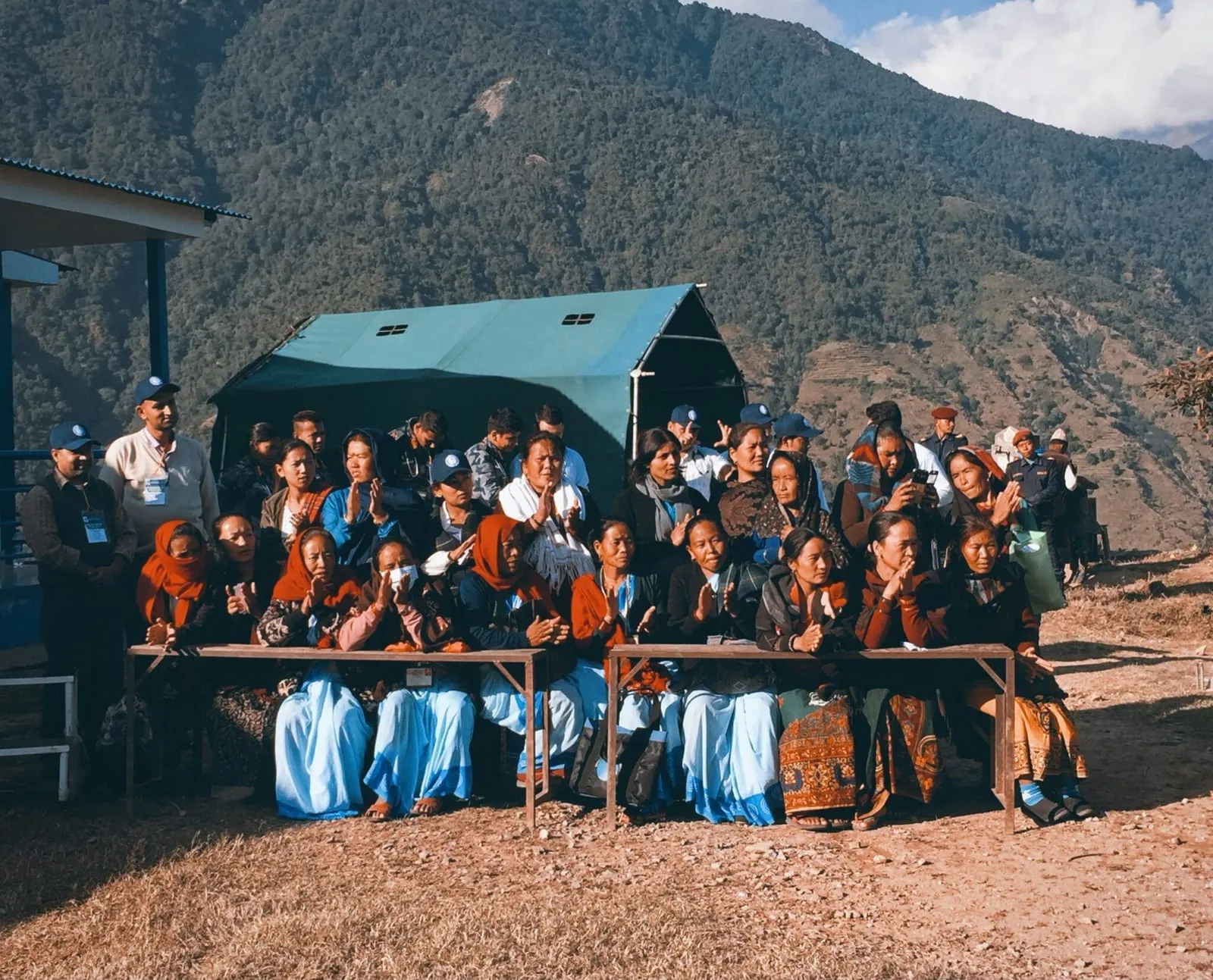
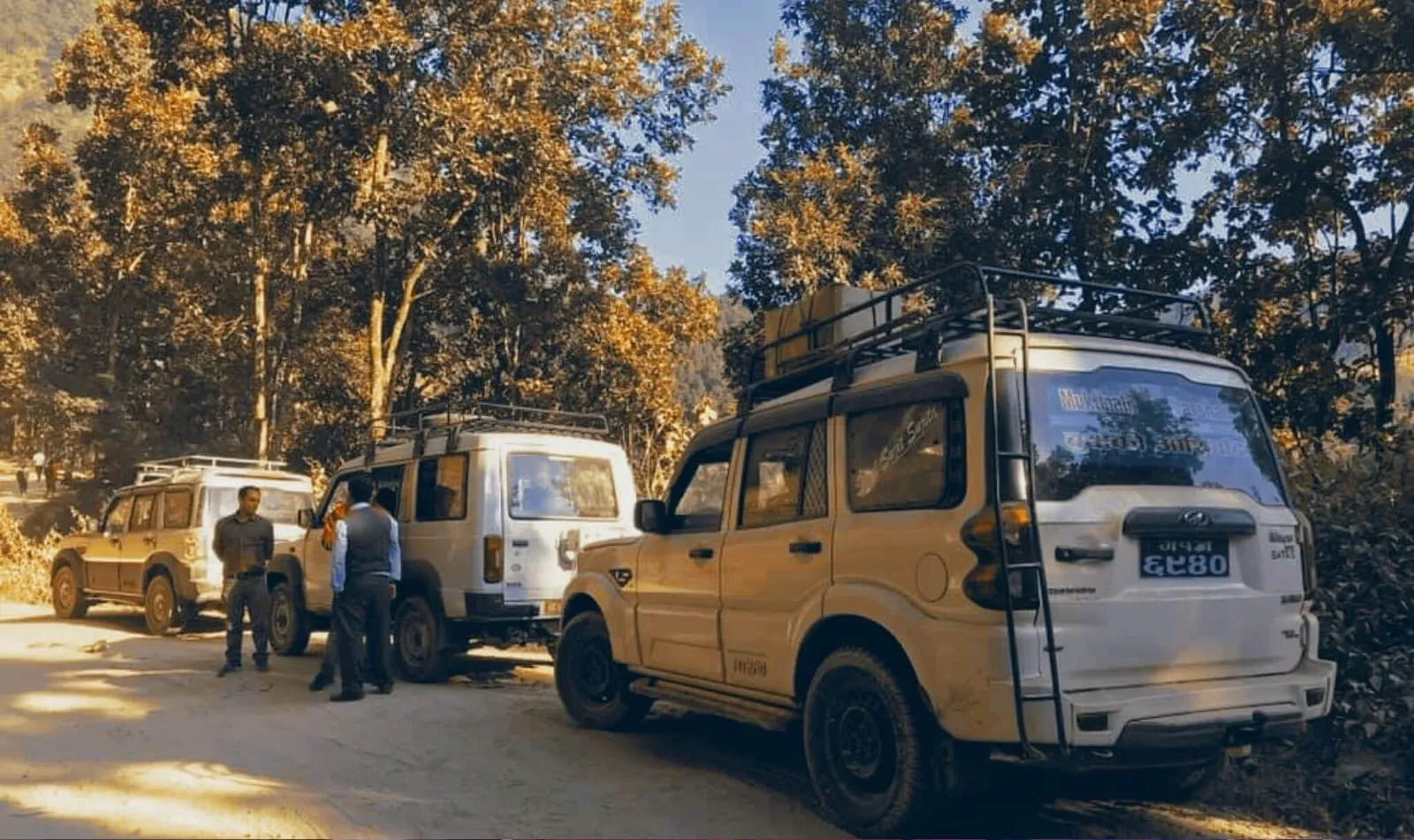
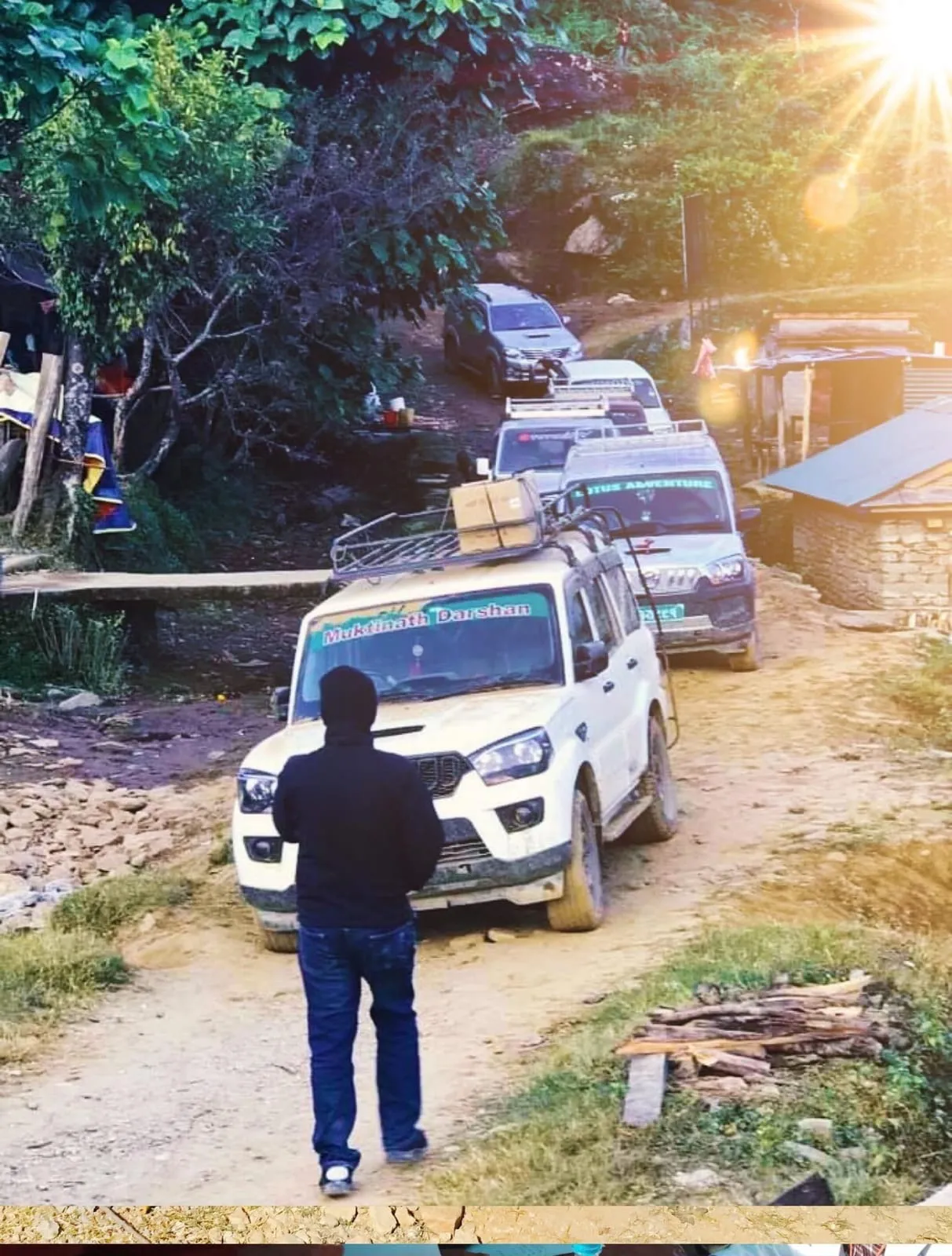
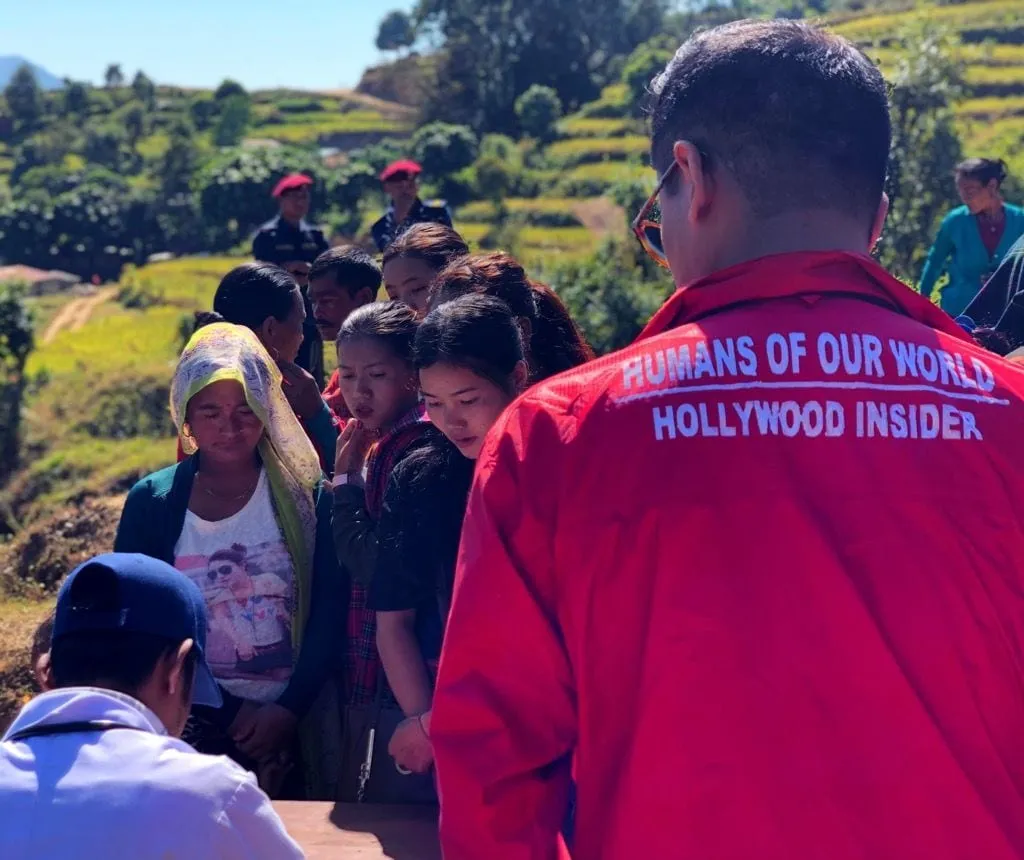
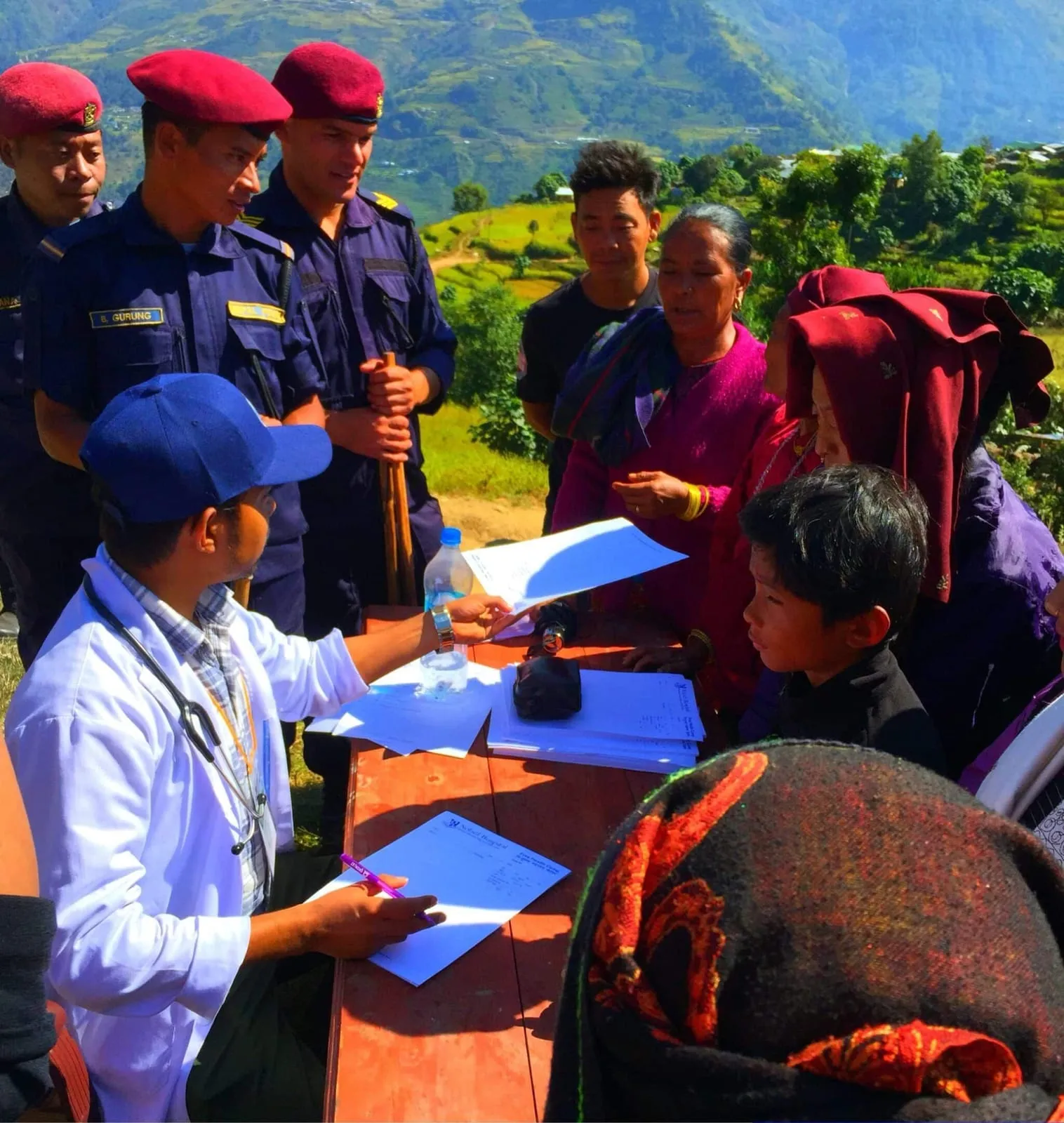
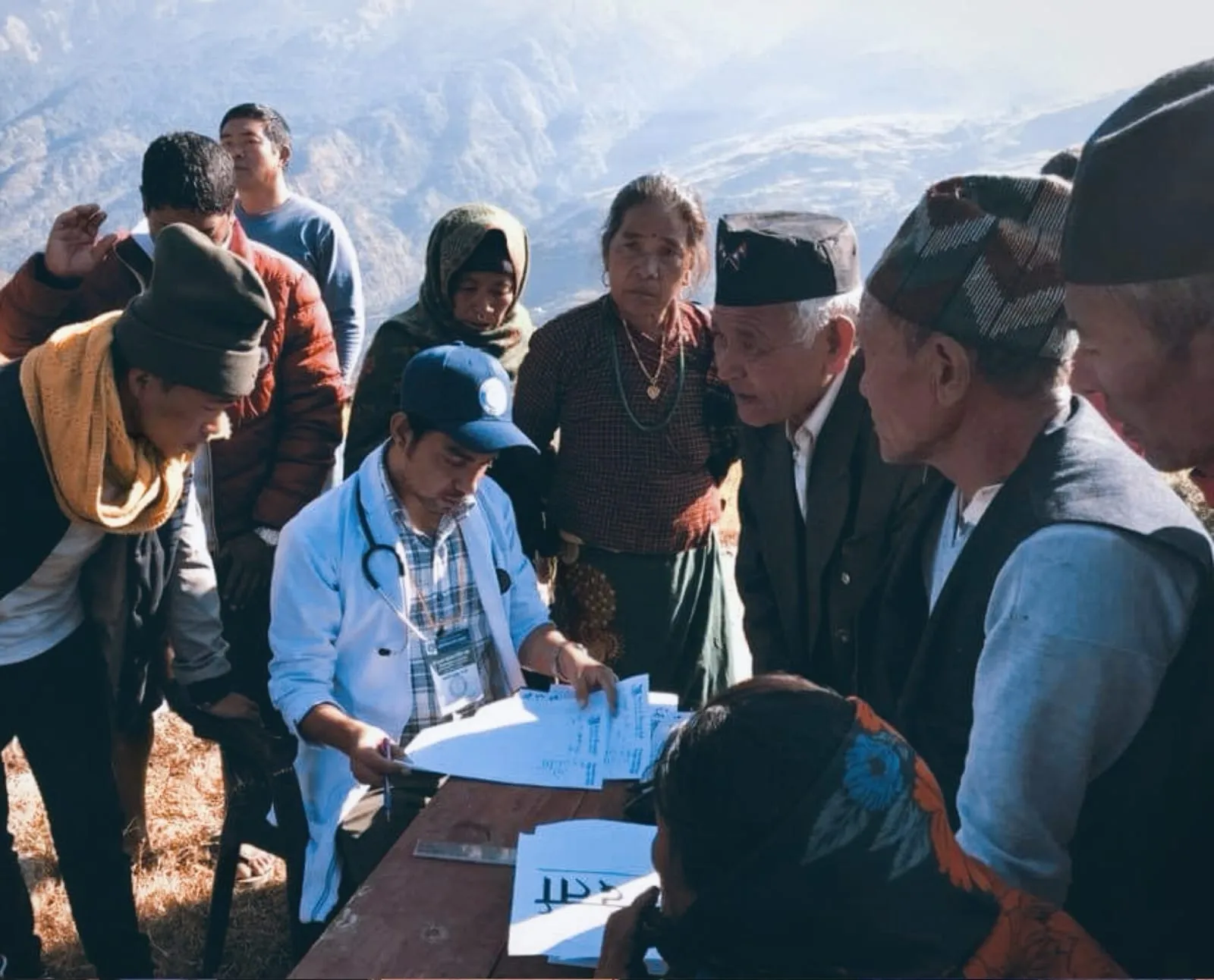
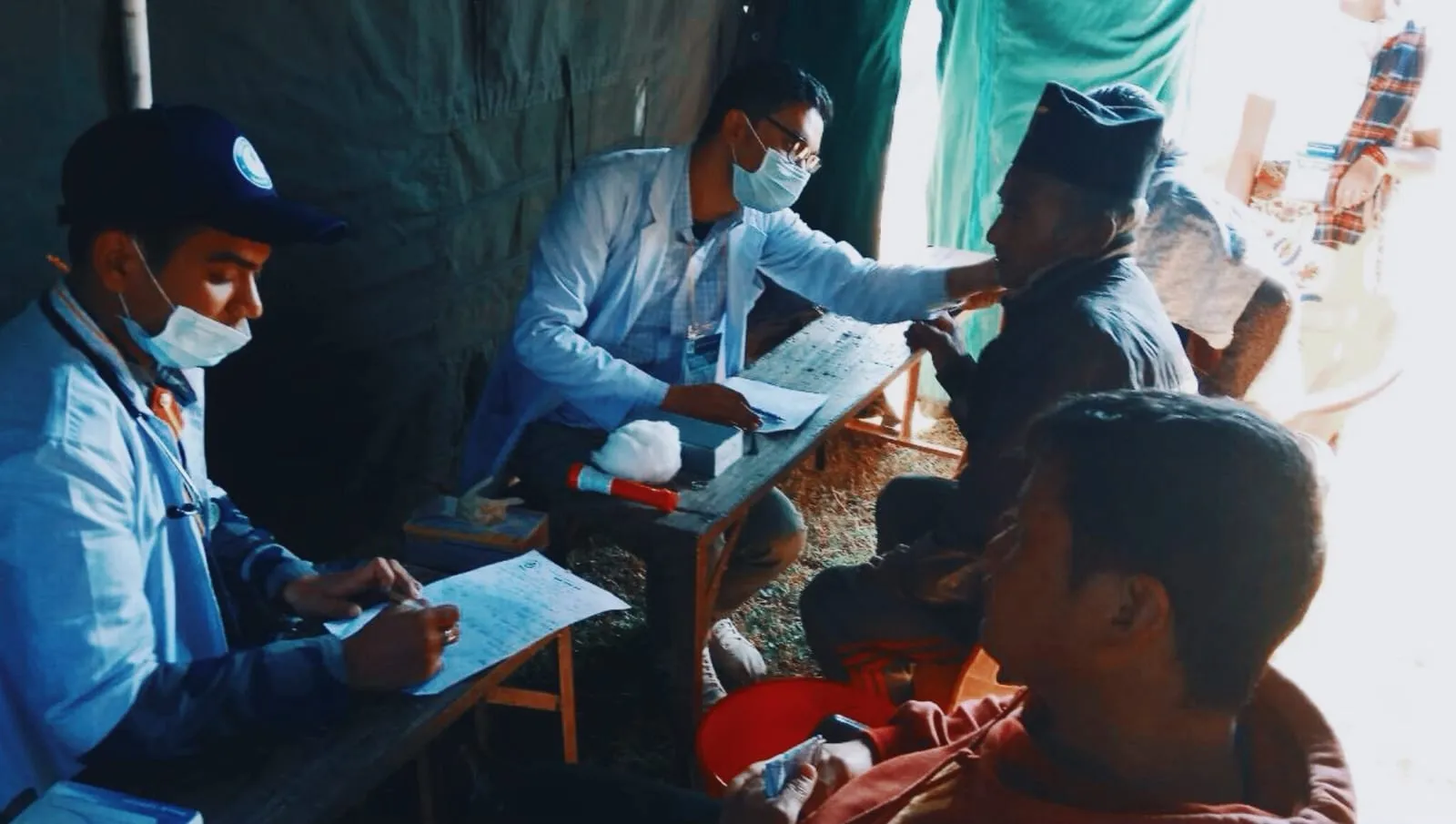
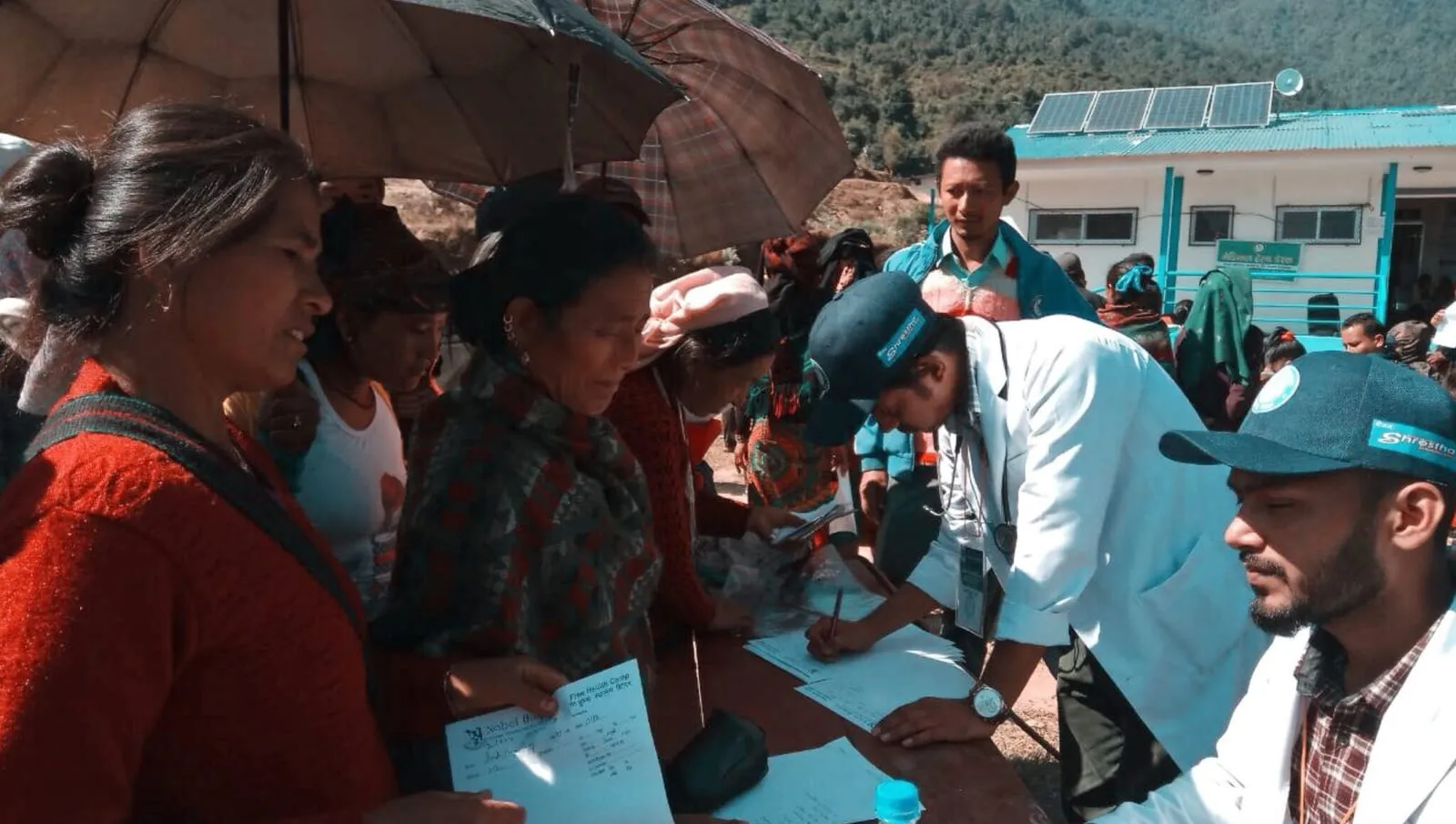
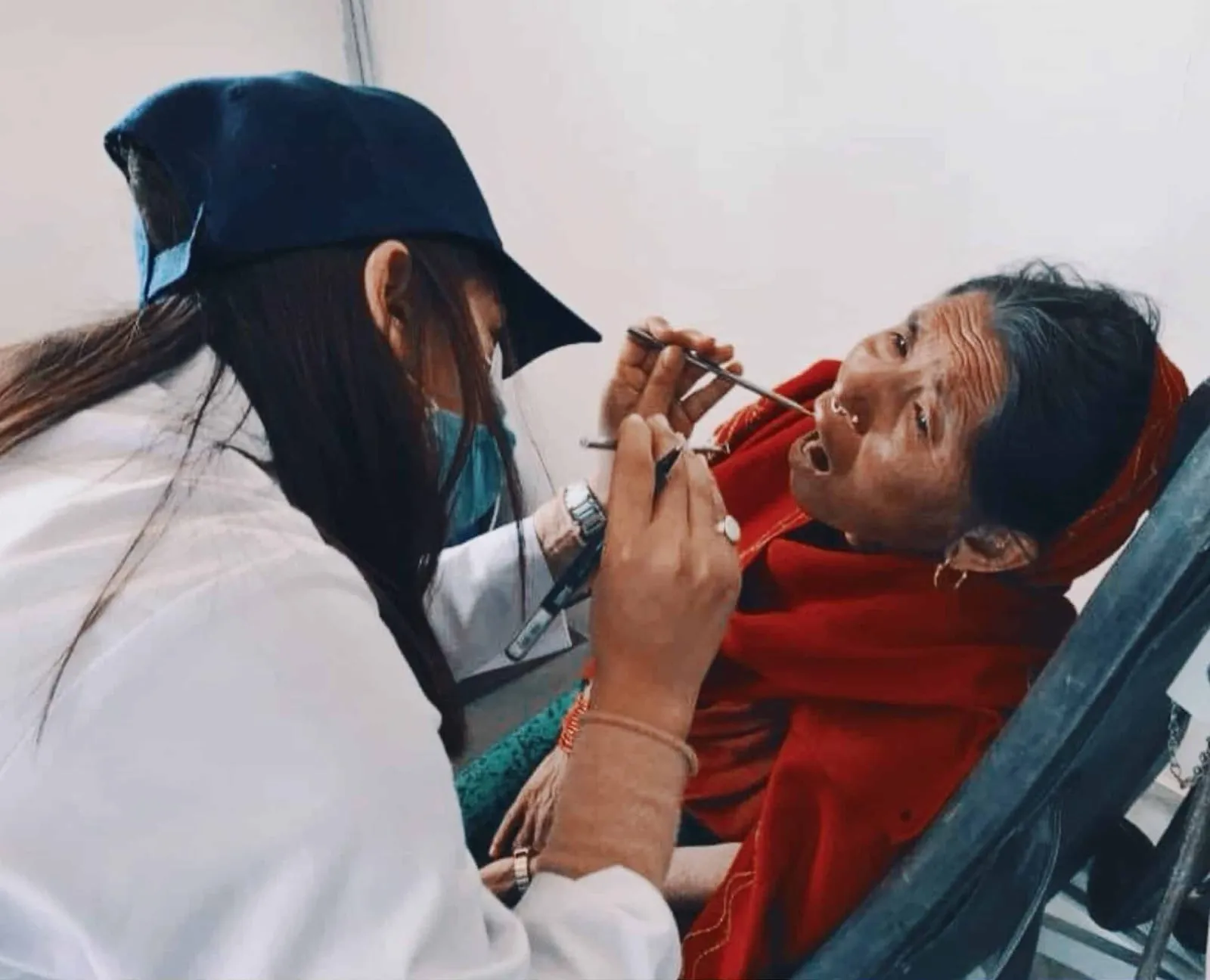
Nepal Humanitarian Camp, 2018
Our 2018 humanitarian camp in Ghyachchok, in the hills of Nepal, for villages still recovering from the 2015 earthquakes.
Photos
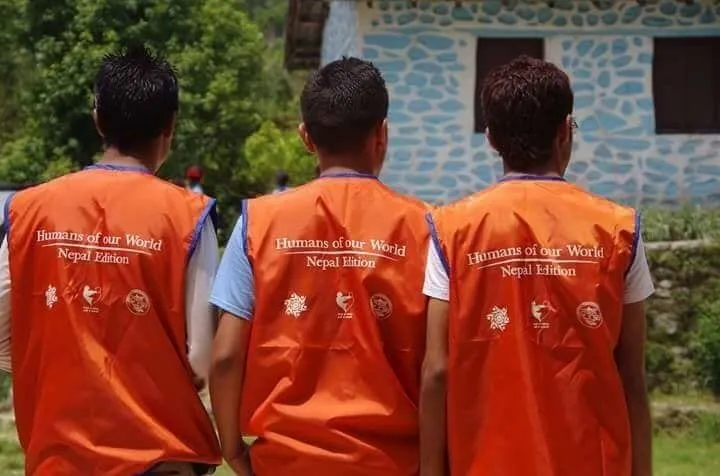
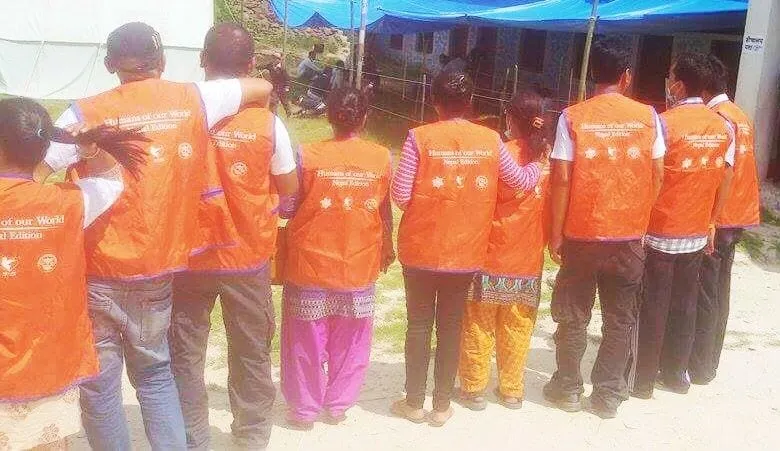
Humans of Our World, Nepal Edition
After the 2015 earthquakes we set up our Nepal Edition to keep the world’s attention on Nepal, and our volunteers and health workers went to the villages.
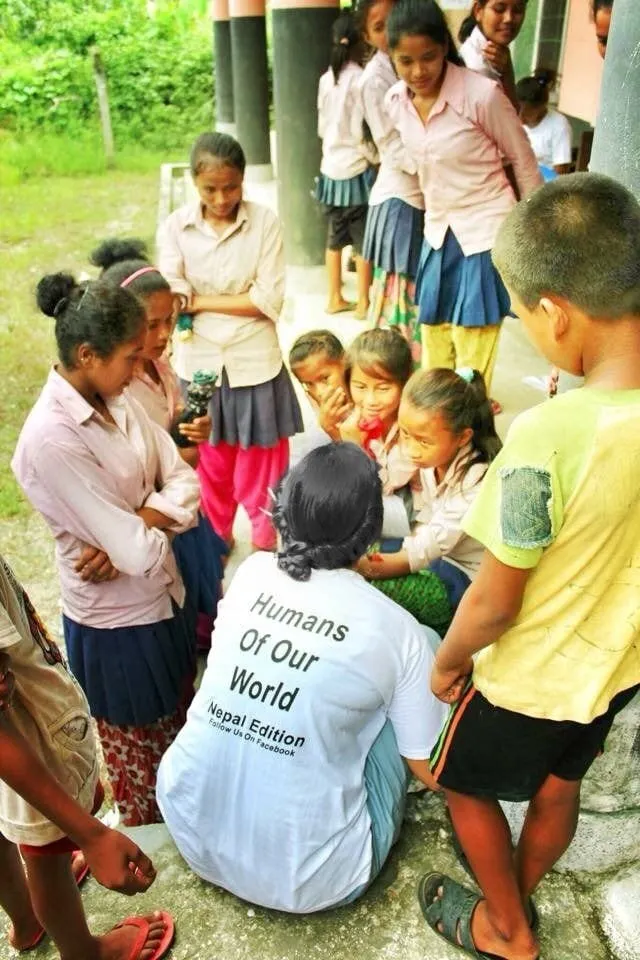
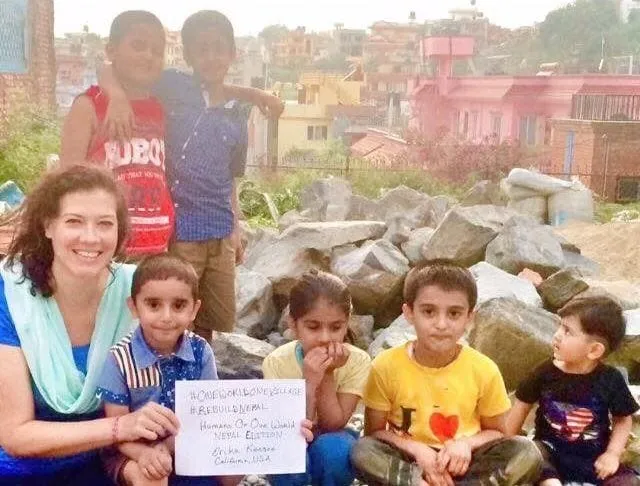
Representative Erika Keese, from the USA, with children in Nepal. 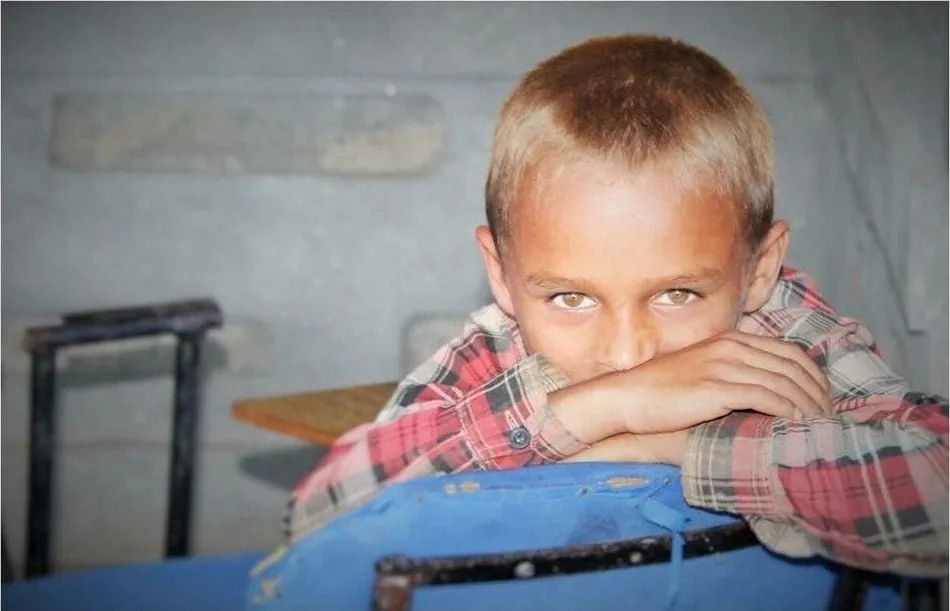
Harmi, Gorkha. Photo: Erika Keese.