

Cause 2 of 38Media & Culture2006
Power of Cinema Edition
Film has the power to change what people see, what they understand - and what they choose to do.
- How it began
- This edition began in the foundation's early Can I Go Home Now? - Films for Humanity work and later expanded to champion the cultural, social and economic importance of movie theatres, including during their post-pandemic recovery.
- When did it start
- 2006
- Where it stands
- Ongoing advocacy
Cinema is more than entertainment. It is a shared cultural space, a livelihood for creative workers, a medium for artistic freedom and a means of making another person’s experience impossible to ignore. We believe in protecting all of those powers - the film, the filmmaker, the cinema and the audience.
This edition began in the foundation’s early Can I Go Home Now? - Films for Humanity work and later expanded to champion the cultural, social and economic importance of movie theatres, including during their post-pandemic recovery.
Why cinema matters
A cinema is not just a screen. It is a room where strangers can feel something together.
A film can open a conversation about war, disability, injustice, gender, childhood, migration or lives an audience has never encountered. It can preserve memory, question power, celebrate beauty and give people who are routinely ignored a chance to be heard. Cinema also provides jobs, sustains local businesses and gives towns and cities places where people can gather.
Streaming can expand access to storytelling; it need not be treated as an enemy. But being able to watch at home does not make the collective experience of a cinema disposable. We want these forms of access to coexist, with independent theatres and diverse filmmaking able to survive.
Our origins: cinema for humanity since 2006
The foundation’s early Can I Go Home Now? - Films for Humanity activities connected filmmaking, youth development, mentoring and creative opportunity. Historical project materials identify support associated with The National Lottery, The Big Boost and UnLtd. These references relate to early film activity; they do not imply current sponsorship or endorsement of this edition.
The early film Blind Bet is recorded in the foundation’s materials as having been presented at the Edinburgh International Film Festival and featured in its published festival materials.
These beginnings matter because they place the humanitarian value of filmmaking not only in the finished work, but in the opportunities that making it can create: a young person learning to tell a story, a creative team building skills and an audience encountering a different reality.
Chronology should remain distinct: this humanitarian film work began in 2006; the foundation’s public page emphasising preservation of cinemas and theatres was published in February 2022. The later publication did not start the earlier work.
Our commitments
Protect: keep cinemas alive
Support independent theatres, community cinemas and accessible screenings; advocate for sustainable exhibition and cultural spaces that serve local audiences.
Create: protect artistic freedom
Stand for independent voices, ethical production and the ability to tell difficult stories without coercive political or commercial interference.
Include: who gets to tell the story?
Champion fair opportunity and authentic representation for disabled artists, underrepresented communities and storytellers working outside established gatekeeping systems.
Teach: take films into education
Connect age-appropriate films with schools, universities, public institutions and structured conversations that improve understanding rather than simply generate applause.
Care: put contributors’ dignity first
Use informed consent, safeguarding, truthful context and appropriate support when documenting trauma and vulnerable participants, especially children.
Sustain: make meaningful films reachable
Advocate for practical distribution pathways and fair opportunities for independent cinema in theatres, cultural venues and other accessible formats.
What we have made: Can I Go Home Now?
The foundation’s completed feature cinema-docu Can I Go Home Now?, directed and produced by Pritan Ambroase, was filmed in active Ukrainian war zones and centres fifteen children speaking about their experiences of war. The film does not use adult or political interviewees to speak for them. It preserves their voices and their lives beyond suffering - including hopes, ballet, music and ambitions.
That choice represents the central argument of this edition. The subject of a cinema-docu is not a prop for the director’s message. A powerful film should allow people to be seen with dignity, complexity and agency.
Its independent release, educational screenings and outreach represent a current foundation priority. The film is completed; its intended distribution and impact programmes should not be described as already delivered where they remain in preparation.
Explore the cinema-docu and its movement
Artistic independence is not a luxury
When a film addresses violence or politics, pressure to soften, sensationalise or redirect its story can jeopardise the people it was made to represent. The foundation champions the right to create responsible, independent work without requiring filmmakers to surrender the central voices of their subjects for marketability.
Keep cinema alive: why the theatre experience deserves protection
Cinemas - from historic single-screen venues to modern multiplexes - create a particular kind of public experience. They bring together different generations and backgrounds, sustain local employment and give independent cinema a place to be discovered. The closures and uncertainty faced by theatres during the pandemic sharpened the need for public attention to their future.
Protecting cinemas does not mean insisting every film must have the same release strategy. It means seeking viable access to screens, supporting audiences’ choices and recognising that community film culture is worth preserving. Particular attention should go to independent venues, regional communities, affordable admission and accessible screenings.
What communities and institutions can do
- Attend and support independent cinemas and local film festivals.
- Host accessible, discussion-led screenings of suitable films.
- Develop school and university partnerships that bring film literacy and ethical storytelling into learning.
- Support subtitling, audio description, step-free access and other reasonable accessibility measures.
- Champion diverse work and pay creative professionals fairly.
- Invite audiences to discuss what a film raises, including disagreements and different perspectives, rather than prescribing a single reaction.
Artistic freedom & equal representation
This edition includes the distinct programme Artistic Freedom and Equal Representation, introduced in 2026. It concerns the people allowed to create, perform, finance, distribute and be recognised in cinema.
Meaningful representation is not simply a question of the people visible on a poster. It includes who writes the story, who directs it, who is employed behind the camera, whose perspectives are taken seriously and who can reach audiences without being forced to conform to a narrow formula.
Our goal is a film culture that respects artistic independence while improving access for people who have historically faced exclusion. Audiences should encounter a wider range of stories, and creators should have fairer opportunities to tell them.
Editorial distinction: the programme is part of Power of Cinema, not a new numbered foundation edition.
Our published journalism: cinema advocacy in action
Hollywood Insider’s published reporting and commentary provide complementary evidence of sustained interest in cinema, culture, artistic freedom and recognition. These works remain attributed to their original authors and publisher. Their appearance here does not imply that a journalistic opinion was a separate humanitarian service or that the foundation delivered the outcomes discussed.
How to participate
For cinemas & festivals
Propose screenings, community discussions and independent-film partnerships; explain venue accessibility, audience reach and practical requirements.
For teachers & universities
Use thoughtful, age-appropriate film and guided discussion to build media literacy, empathy and understanding.
For filmmakers & artists
Share projects that foreground dignity, originality, ethical production and meaningful public conversation.
For audiences
See a film in a cinema, tell someone why it mattered, and support the independent venues and storytellers who need an audience.
Keep cinema alive. Make humanity visible.
Support the independent release of Can I Go Home Now? or contact the foundation about film, education and cultural collaborations.
Related foundation work
- Media for Good Edition: responsible journalism and public-interest storytelling.
- Education Reform Edition: cinema as a tool for learning and dialogue.
- Let Children Be Children: safeguarding and children’s voices.
- Not Your Marketing Opportunity: dignity, consent and ethical storytelling in crisis zones.
These are related missions, not substitutes for Power of Cinema.
In the media
 The Revival of Movie Theaters in a Post Pandemic World | Keep Cinema AliveDirectly supports the campaign's stated aim of preserving movie theatres.
 Why Cinema Will Never Die – Long Live Cinema & Its GreatnessExplores shared audiences, theatrical culture and cinema's continuing relevance.
 MPAA – The Case Against Censorship, And In Support Of CensorshipContributes a discussion of artistic freedom and classification.
 Will the Diversity in Victory of Oscars 2019 – 91st Academy Award Winners Ever Be Repeated?Addresses recognition and inclusion in film awards.
 The Importance of Venice Film Festival as the Protector of CinemaExplores how cultural institutions can protect and celebrate cinematic art.
 Redefine “Oscar-Worthy” - Talent, Independent Film and Recognition
 Cannes Best Director Winner ‘Cold War’: Love & Passion During War
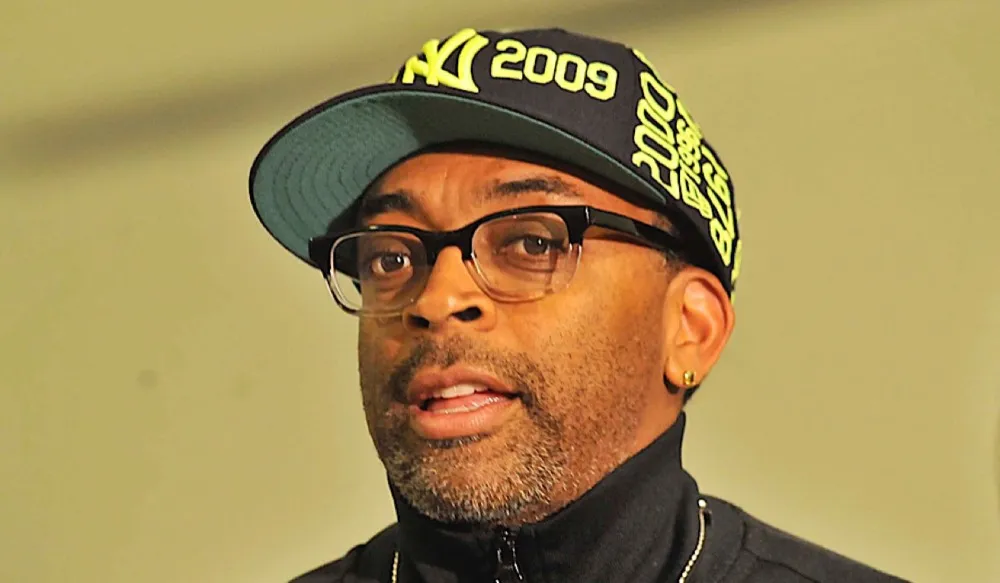 The 3 Best Spike Lee Films From The Director’s Filmography
 Who We Are | Our Values | About Us
 Academy Awards inclusion standards (2020)