

Cause 21 of 38Humanitarian Relief2013
Anti-War Edition
A world in which a child can go to sleep without fear should not be a radical ambition. It should be humanity's starting point.
- How it began
- Peace advocacy since 2013
- When did it start
- 2013
- Where it stands
- Ongoing mission
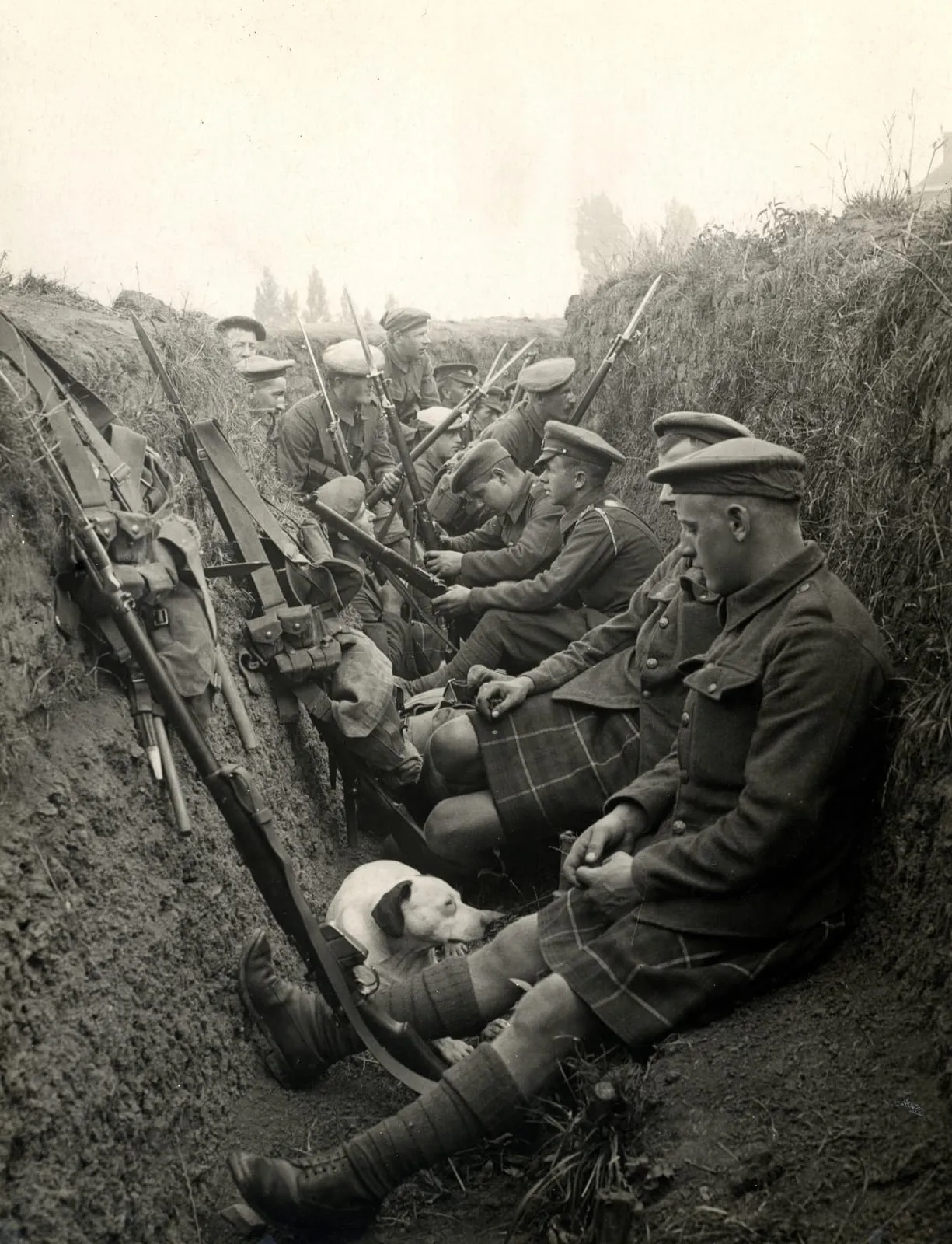
War is not only a matter of borders, governments and military strategy. It is a mother searching for her child. A family leaving the home they built. A school reduced to rubble. A person who survives but carries the experience for the rest of their life.
The ANTI-WAR EDITION of Humans of Our World Foundation calls for a world where civilian lives, human dignity, meaningful diplomacy and the protection of children come before the pursuit of domination, violence and destruction. It advances peace through humanitarian advocacy, public education, filmmaking, journalism, dialogue and support for people harmed by conflict.
Our opposition to war is universal. It does not depend on which country a person comes from, which language they speak or which government claims to represent them. We distinguish political and military decisions from the millions of ordinary people living with their consequences.
Peace and anti-war advocacy since 2013
The foundation identifies 2013 as the beginning of its peace and anti-war advocacy. That work developed through a commitment to nonviolence, public education, the protection of civilians and the belief that children should not inherit conflict as an inevitable condition of life.
On 28 February 2022, Humans of Our World published its Anti-War Edition article setting out a multimedia vision: films, television, cinema-docus, books, journalism and school or university programmes that expose war’s human cost and promote peace. That publication was a further expression of an existing mission - not the date the foundation’s anti-war commitment began.
Hollywood Insider’s published journalism and subsequent cinema-docu work form part of the edition’s record of public-interest storytelling. Publications are credited to their authors and publisher; campaigning and published advocacy are not represented as direct relief delivered to beneficiaries.
Against war. For the people caught within it.
For every child in every country.
For every civilian whose future should not be decided by a war.
The foundation advocates peaceful conflict prevention, meaningful negotiations, diplomatic engagement, respect for sovereignty and international humanitarian law, and the protection of people exposed to violence.
Being anti-war is not indifference to an invasion or an expectation that people surrender their rights. A country may defend its people in accordance with applicable international law; civilians and those who are no longer participating in hostilities must still be protected. Our values ask that the human cost of every decision be recognised rather than obscured.
We oppose the dehumanisation of entire nationalities. People cannot be assigned collective guilt simply because of their passport, birthplace, ethnicity or language. We must be able to condemn unlawful violence and hold responsible decision-makers accountable while recognising the humanity of everyone affected.
What this edition stands for
Protect children and civilians
Advocate for civilian protection, safer access to shelter, food, clean water, medical care and education, and the prevention of attacks on civilian life.
Diplomacy and peace education
Encourage conflict resolution, mediation, cross-cultural understanding, empathy and the study of how war begins - and how it can be prevented.
Support displaced people
Highlight the needs of refugees and internally displaced families, including safe accommodation, documentation, family reunification and protection from exploitation.
Protect survivors’ long-term wellbeing
Support recognition of physical rehabilitation, trauma-informed care, psychological support, accessible services and rebuilding after displacement.
Preserve testimony responsibly
Use film, reporting and education to make lived experiences visible without coercion, sensationalism or exposing vulnerable people to renewed harm.
Keep attention after headlines fade
Encourage sustained engagement with recovery, reconstruction, missing persons, interrupted schooling, family separation and the needs of veterans and civilians living with injuries.
Can I Go Home Now? - When only the children speak
One of the foundation’s most substantial creative undertakings under this mission is Can I Go Home Now?, a completed feature cinema-docu directed and produced by founder Pritan Ambroase.
Filmed over approximately a year and a half in active Ukrainian war zones, the film centres the testimony of 15 children affected by Russia’s war against Ukraine. No politicians or adult interviewees speak for them. Through their own words, the children describe loss, displacement, hope and the lives they still wish to lead. Their experiences of ballet, music and creativity are part of the story too: children are more than the suffering forced upon them.
The cinema-docu’s original score was composed by A. R. Rahman. Its intended independent release, school and university screenings, and civic and cultural discussions are part of a wider educational and humanitarian movement. The film is complete; its planned public release and accompanying programmes should not be described as already delivered on a global scale.
The principle: Children must not be reduced to images of war, political symbols or statistics. They deserve safety, agency, education, joy and the right to be heard in their own words.
Explore the film and its movement
Peace also means rebuilding what war takes away
When bombardment ends, suffering does not automatically end with it. People continue to face destroyed homes and hospitals, lost livelihoods, bereavement, interrupted education, disabilities, trauma, displacement and the difficulty of rebuilding trust.
This edition therefore links the pursuit of peace to practical humanitarian needs. It recognises the separate Relief for War Victims Edition, launched in 2022, which addresses immediate relief and the protection of those fleeing conflict, including exploitation and trafficking risks. It also connects with Disaster Relief Edition, Let Children Be Children, Education Reform Edition and Power of Cinema Edition.
These connections do not collapse the causes into one another. ANTI-WAR EDITION addresses the moral, educational and civic mission to prevent war and understand its human consequences; complementary programmes address specific kinds of assistance and recovery.
Tell the truth. Protect the people in the story.
War reporting can expose abuses, preserve testimony and mobilise help. It can also endanger people when it reveals locations, identifies vulnerable children or publishes distressing material without meaningful safeguards.
- Put informed consent, child protection and the wellbeing of participants before dramatic footage or promotional value.
- Respect privacy and avoid publishing information that could endanger civilians, displaced families or people who have survived abuse.
- Differentiate verified facts, eyewitness testimony, opinion and claims that remain under investigation.
- Do not stage suffering, erase local journalists or exaggerate humanitarian contributions.
- Recognise that survivors may change their minds about publicity; consider ongoing safety risks even after filming.
These standards also reflect the foundation’s separate NOT YOUR MARKETING OPPORTUNITY campaign: human suffering should never become advertising space.
What peace education can look like
The foundation advocates educational resources that help students and communities understand the human consequences of war without turning education into a vehicle for hostility against a people or nationality.
- History in human context: study conflicts, international law, diplomacy and the lived experiences of civilians rather than focusing solely on military victories.
- Classroom conversations: age-appropriate discussion of propaganda, misinformation, dehumanising language and how empathy can coexist with critical analysis.
- Witness testimony and film: ethically curated cinema-docu screenings and reflection materials for schools, universities and community venues.
- Cross-border understanding: supervised cultural exchanges and opportunities for young people to see one another as human beings, not political stereotypes.
- Practical civic action: informed volunteering, trusted humanitarian support and responsible ways to advocate for civilian protection and peace.
These are programme directions and proposals. They should not be described as universally implemented curricula.
Hollywood Insider reporting and advocacy
These pieces offer a starting editorial selection for the Anti-War Edition. They are completed, separately credited publications; inclusion does not imply that the foundation carried out every activity described or endorses every historical judgement in a commentary article.
Make peace more than a wish
War can make people feel helpless. Meaningful action begins with listening, resisting dehumanisation, learning the facts, supporting trustworthy humanitarian organisations and remaining engaged when the world’s attention shifts elsewhere.
For educators and cultural venues
Explore age-appropriate film discussions, peace education and responsible testimony-led programming. Any event involving children requires appropriate safeguarding.
For journalists and creators
Prioritise informed consent, accuracy, context and the dignity of affected people. Let those living through conflict be recognised as more than its victims.
For supporters
Choose established, accountable humanitarian channels, advocate for protection of civilians and follow the long-term work of recovery.
For institutions and partners
Discuss collaborations on educational screenings, humanitarian storytelling, research, community conversations and practical initiatives.
Continue exploring
- Can I Go Home Now? - the film and global movement
- Disaster Relief Edition
- Power of Cinema Edition
- Education Reform Edition
For every child in every country.
War should never be normalised as a child’s future. Humans of Our World Foundation works to make humanity viral through advocacy, education, storytelling and meaningful collaboration.
In the media
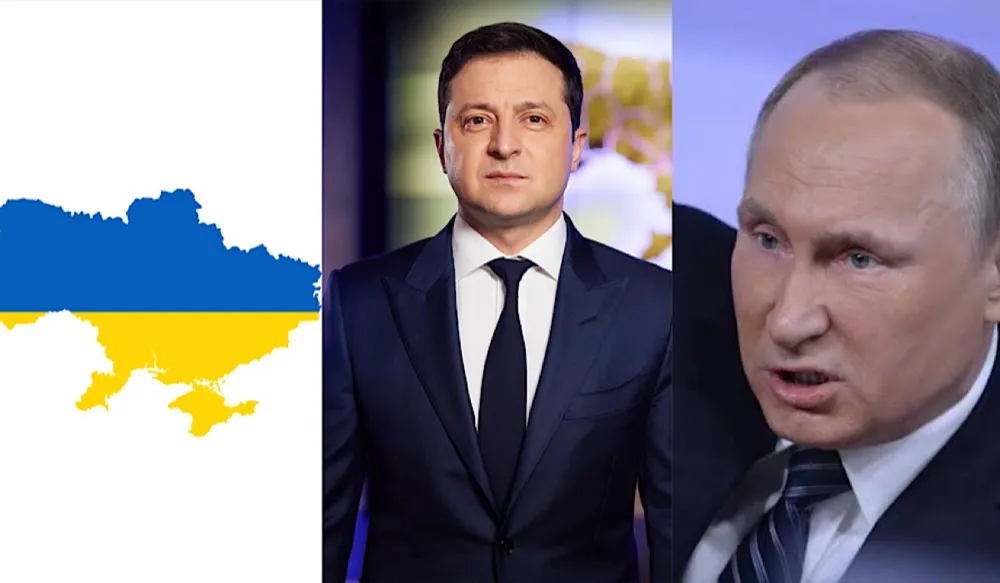 Why Has Vladimir Putin Waged an Inhumane War on Ukraine?Original Hollywood Insider commentary on the 2022 invasion, accountability and the distinction between a country's population and its political leadership.
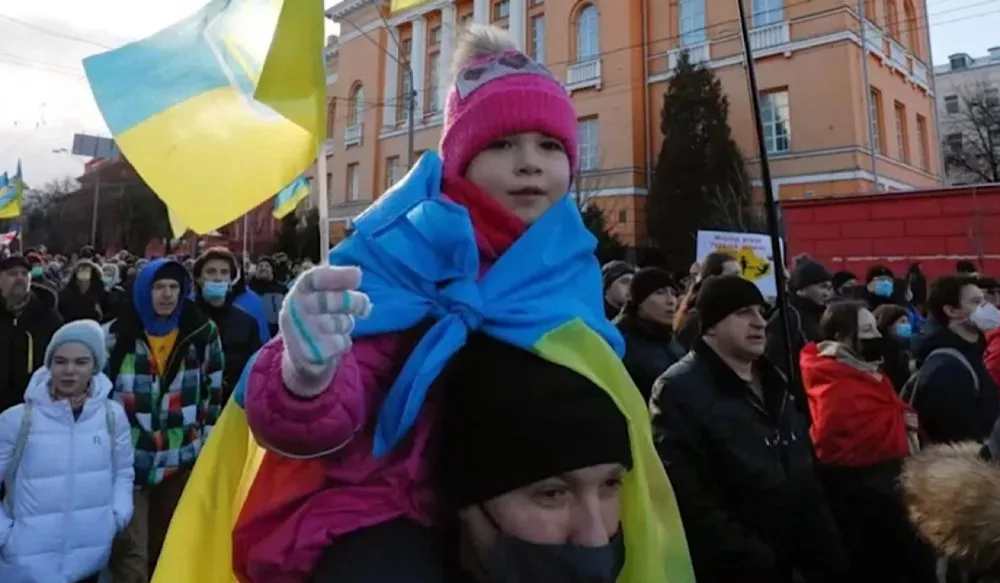 The On-Going War in Ukraine Has Led to Strands of Human Decency and Kindness Shining Through The MiseryReporting on civilian solidarity and the humanitarian response, with discussion of the treatment of prisoners of war.
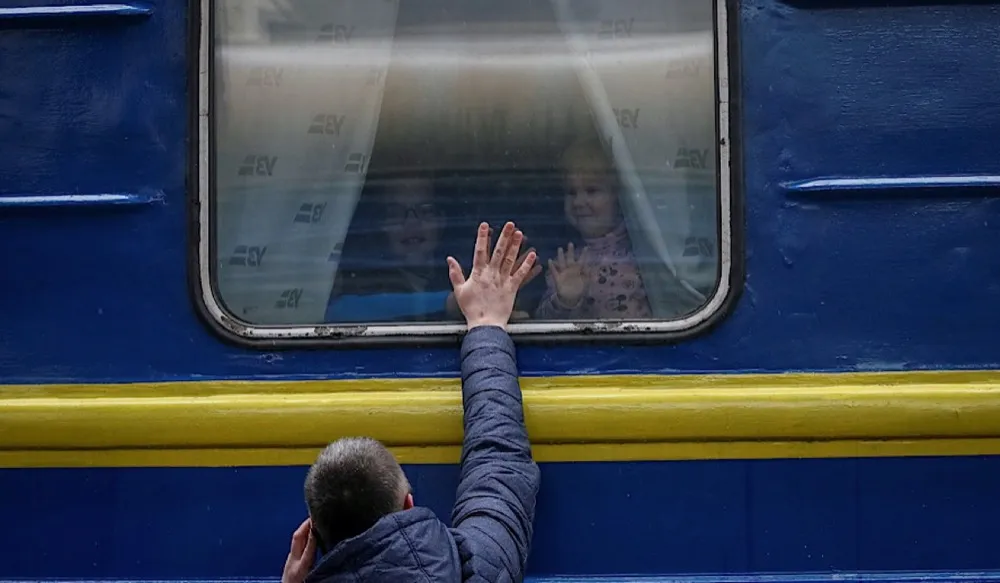 Support For Ukraine: Which Celebrities Have Done More Than Sing 'Imagine', And What You Can DoExamines public advocacy and practical support.
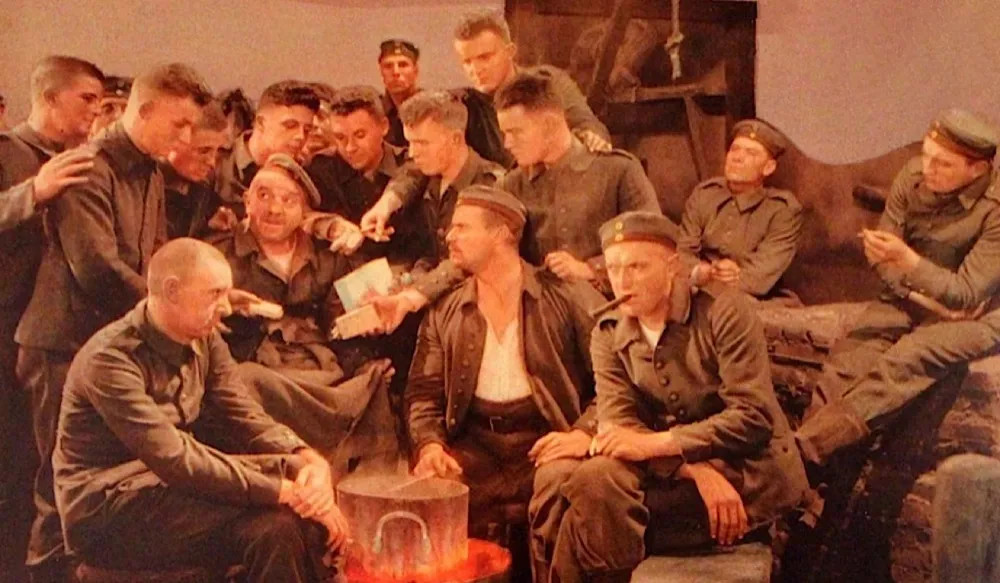 War Movies Not From USA: A Perspective Outside of HollywoodFilm journalism exploring how stories of conflict differ when told from perspectives outside mainstream US cinema.
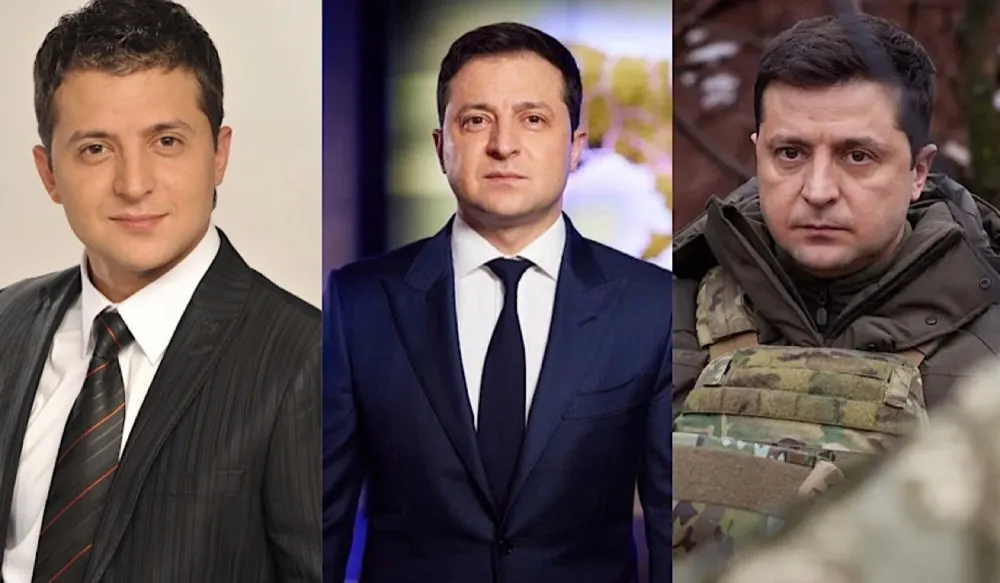 A Tribute to the Hero & President Volodymyr ZelenskyyA statement reflecting the publisher's 2022 stance.
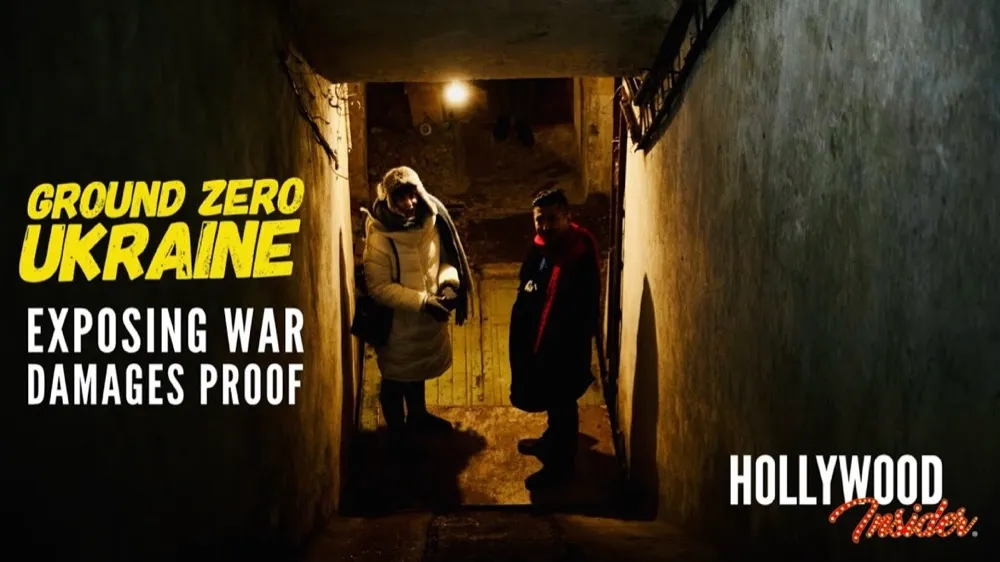 Ground Zero Ukraine